

Reposado vs Anejo Tequila: What’s the Real Difference?
When it comes to tequila, choosing between reposado and añejo can be tough. Both offer unique flavors and…
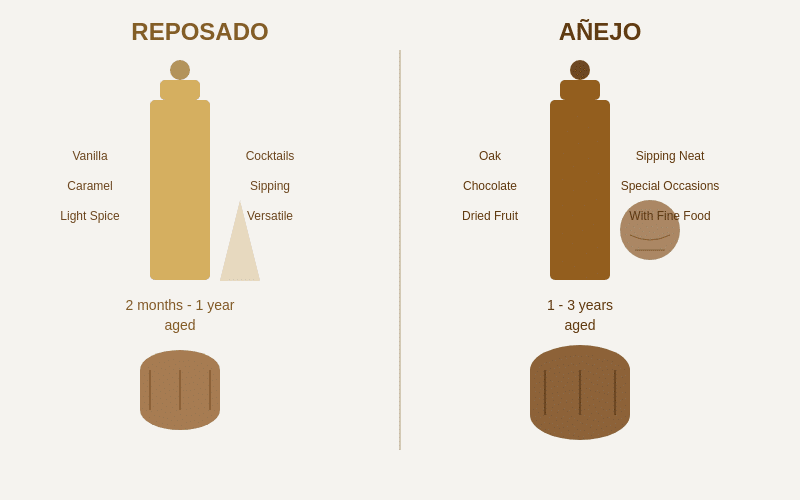
When it comes to tequila, choosing between reposado and añejo can be tough. Both offer unique flavors and characteristics, but they differ mainly in aging periods and taste profiles. Reposado is aged for two months to a year in oak barrels, giving it a smoother, lighter flavor, while añejo is aged for one to three years, resulting in a richer, more complex taste.
I find that exploring these two types can enhance my appreciation for tequila. Whether I’m sipping a reposado on the rocks or enjoying an añejo in a cocktail, each brings its own vibe to the table. Understanding the distinctions can really elevate your tequila experience.
If you’re curious about what makes each type special and how they can fit into your next gathering or night in, keep reading. The world of tequila has a lot to offer, and you might discover a new favorite along the way!
Reposado and añejo are usually the same 100% agave tequila from the same distillery — sometimes from the same distillate. The only thing separating them is time in oak, and the gap is wider than it looks: reposado needs 60 days, añejo needs a full year.
For where these two sit among the five official classes, start with the types of tequila. For what oak actually does to the spirit over that time, see the tequila aging process. This page is about choosing between these two.
Reposado Tequila
Reposado tequila is a fantastic choice for those who enjoy a smooth yet complex flavor profile. It’s aged longer than blanco but shorter than añejo, resulting in a distinctive taste that balances the raw agave and oak influences.
Profile of Reposado
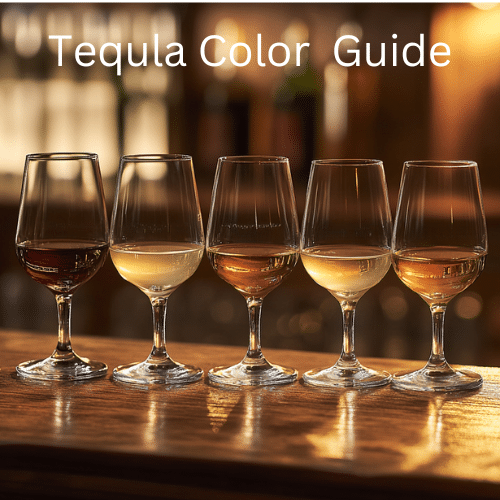
Reposado tequilas usually have a golden hue, often due to their contact with oak barrels. The aging period ranges from two months to one year.
This gives reposado a well-rounded profile. I often notice flavors like vanilla, caramel, and even a hint of spice, alongside the natural earthiness of agave.
The balance between the wood and agave notes makes this tequila versatile, whether enjoyed neat or in cocktails. For those who prefer a drink with depth, reposado is a top contender.
Production and Aging
The production process for reposado begins with high-quality blue agave. After the agave is harvested and cooked, it is fermented and distilled, just like other tequilas.
The key differentiator is the aging. Reposado must rest in oak barrels for a minimum of two months. This aging can occur in various types of barrels, including American or French oak, which infuse different characteristics into the spirit.
During this time, the tequila absorbs flavors from the wood, enhancing its depth. I appreciate how the aging process softens the spirit, making it smoother and more enjoyable to sip, without losing its agave essence.
Añejo Tequila
Añejo tequila offers a unique and mature experience, distinct from other types like reposado. It’s all about the aging process and flavor profile that develops over time.
Characteristics of Añejo
Añejo tequila is known for its rich, complex flavors. Typically, it features notes of caramel, vanilla, and oak, thanks to its aging process. The longer aging leads to a smoother finish, making it enjoyable either neat or in cocktails.
Añejo is usually darker in color than reposado, ranging from amber to deep mahogany. This color reflects the aging in white oak barrels, which infuses the spirit with various compounds over time. It tends to have a higher alcohol content than younger tequilas, adding to its richness.
Añejo Aging Requirements
To be classified as añejo, tequila must be aged for a minimum of one year but less than three years. The aging process takes place in barrels with a maximum capacity of 600 liters, promoting a specific flavor extraction.
The type of barrel used can influence the flavor significantly. Many producers use ex-bourbon barrels or charred barrels, contributing to the unique taste profile. This aging requirement allows añejo tequila to develop deep flavors that make it distinct from both blanco and reposado types.
Comparing Reposado and Añejo
When it comes to reposado and añejo tequilas, there are key distinctions in taste and the best ways to enjoy each one. I find that these differences play a significant role in personal preferences.
Taste Comparison
Reposado tequila is aged for a minimum of two months and can go up to a year in oak barrels. This aging gives it a lighter, smoother profile. The flavors I often notice include hints of vanilla, caramel, and subtle spices, making it versatile for sipping or mixing.
Añejo tequila, on the other hand, is aged for at least one year and up to three years. The longer aging process deepens the flavors significantly. With añejo, I usually detect rich notes of chocolate, oak, and dried fruit. This complexity makes it more suitable for sipping straight.
Best Ways to Enjoy
I like to enjoy reposado in cocktails like margaritas or palomas. Its milder profile complements the other ingredients, creating a balanced drink. When I have a glass of reposado, I often pair it with spicy foods.
For añejo, I prefer sipping it neat, allowing the flavors to shine. Sometimes, I’ll even add a few drops of water to open it up. Añejo pairs wonderfully with dark chocolate or a rich dessert, enhancing the experience. Each type offers a unique journey for my palate, making them both enjoyable in their own right.
Choosing Your Tequila
Selecting the right tequila involves considering personal preferences and how the drink pairs with food. Here’s how I approach my choices.
Selecting According to Preferences
When it comes to tequila, my flavor preferences are key. Reposado offers a balance with its smoothness and hints of oak, thanks to aging in barrels for at least two months. This makes it versatile for sipping or mixing.
Añejo, aged for at least one year, provides richer flavors with notes of vanilla and caramel. I might reach for an Añejo when I want an intense sipping experience.
I often think about the occasion. For casual gatherings, I opt for Reposado in cocktails. For more refined moments, Añejo can be savored neat. Consider what suits your palate and the venue.
Pairing with Food
Tequila can enhance a meal when chosen wisely. I find that Reposado pairs well with lighter dishes like grilled shrimp or tacos al pastor. Its flavor complements without overpowering.
On the other hand, Añejo works beautifully with richer foods. Think about enjoying it alongside dark chocolate or even a charcuterie board. The complex notes of Añejo elevate these flavors, creating a memorable tasting experience.
I like to experiment, but I usually stick to these pairs for a successful match. Remember, the right tequila can turn dinner into a delightful occasion.
What my own bottles say about the line between them
Everything above is the rule. Here is what the labels on my own shelf actually state, read off the glass and photographed rather than taken from a brand’s website.
| Bottle | Category | What the label says about aging | Distillery (NOM) |
|---|---|---|---|
| Gran Centenario Azul | Reposado | “2 meses en barricas de roble blanco” — two months, the legal minimum | NOM 1122, Los Camichines, La Laja, Zapotlanejo |
| Don Julio | Reposado | Eight months in American white oak, stated on the back label | NOM 1449, Atotonilco el Alto |
| Cazadores | Reposado | No time stated — category only | NOM 1487, Arandas |
| Reserva de Don Ramón | Reposado | No time stated | NOM 1590 |
| Don Ramón Platinium | Añejo cristalino | No time stated | NOM 1417, Tlaquepaque — a different distillery from the reposado above, same brand |
| Mundo de Oro | Añejo cristalino | No time stated | NOM 1459, Amatitán |
| Código 1316 | Extra añejo | No time stated | NOM 1459 — the same distillery as Mundo de Oro |
Two reposados, four times apart
The Gran Centenario Azul rests two months. My Don Julio Reposado rests eight. Both are legally reposado, and nothing on the front of either bottle tells you which one you are holding. That is a fourfold difference in barrel time inside a single word — and it is a bigger difference than the one between a twelve-month reposado and a thirteen-month añejo, which the category line treats as a change of species.
So the practical rule is this: when a label states the actual time in wood, believe the number and ignore the category. When it states only the category, you are being told a range, not a fact. Most bottles state only the category.
The same brand can be two different distilleries
My Reserva de Don Ramón reposado reads NOM 1590. The Don Ramón Platinium beside it reads NOM 1417, a different producer in Tlaquepaque. One brand name, two distilleries, two houses’ worth of decisions about cooking, milling and barrels. Comparing a reposado and an añejo from “the same brand” can quietly mean comparing two unrelated distilleries, which is exactly the comparison people think they are avoiding. The NOM directory is how you check, and here is where to find the number.
Cristalino: the añejo that looks like a blanco
Two bottles on my shelf are labelled añejo cristalino: Mundo de Oro and Don Ramón Platinium. Both are aged tequila that has been filtered until the colour is gone, usually through activated charcoal. They pour clear, like a blanco, and taste like a softened añejo.
This matters to the reposado-versus-añejo question in a way most guides skip: colour is not aging, and it never was. Filtering removes the colour an añejo earned. Caramel colouring adds colour a blanco never earned — and Mexican regulation permits up to 1% of finished volume in additives, including colouring, with no disclosure on the label. The only reliable statements about age are the category word and, when you are lucky, a stated number of months.
Worth knowing before you spend up: on my shelf, both cristalinos are bottled at 35% alcohol — the legal floor for tequila — in heavy decanters priced as premium. Aging does not change alcohol content, and neither does price. Why some premium bottles are only 35%.
Reposado vs añejo: FAQ
Is añejo stronger than reposado?
No. Barrel time does not change alcohol content — strength is set when the tequila is cut with water at bottling. A reposado and an añejo from the same distillery are usually both 40%, and some añejos on my own shelf are 35%, which is the legal minimum.
How long is reposado aged, exactly?
Between two months and one year in oak, by law. The range is the whole point: I own reposados at two months and at eight, and only one of those two bottles tells you so on the label.
Which is better for a margarita?
Reposado, or a blanco. Citrus and sweetener flatten the oak-driven complexity you are paying for in an añejo, so the barrel time is largely wasted in a mixed drink.
Does a darker tequila mean it is older?
No. Colour can come from the barrel, from caramel colouring, or be filtered out entirely — which is what a cristalino is. Read the category word, not the shade.
Can two bottles of the same brand be made at different distilleries?
Yes, and it is common. Two Don Ramón bottles on my shelf carry NOM 1417 and NOM 1590 — different producers entirely. The four-digit NOM is the only way to tell.
Is extra añejo just an older añejo?
Legally, yes: three years or more in oak. In practice almost nobody bottles a four-year-old tequila as añejo, because extra añejo commands a higher price. More on añejo and what the extra years do.
Conclusion
The journey through reposado and añejo tequilas reveals that there’s no definitive “better” option—just different experiences waiting to be explored. The choice ultimately depends on your personal preferences, the occasion, and how you plan to enjoy your spirit.
Reposado strikes an excellent balance for those new to premium tequilas. Its shorter aging period of two months to one year preserves the bright agave character while introducing gentle oak influences. The result is a versatile spirit that works beautifully in craft cocktails but is smooth enough to sip. With its notes of vanilla, caramel, and subtle spice, reposado pairs wonderfully with everything from tacos al pastor to grilled seafood.
Añejo, with its one to three years in oak barrels, delivers a more transformed experience. The extended aging develops rich complexity—notes of chocolate, dried fruit, and deeper caramel—creating a sophisticated sipping tequila that rivals fine whiskeys or cognacs. Its depth makes it ideal for special occasions, particularly when served neat to appreciate its nuanced character. Try pairing añejo with dark chocolate, aged cheeses, or even a fine cigar for a truly memorable experience.
Both styles honor the blue agave’s heritage while showcasing different aspects of tequila’s potential. Price differences reflect not only the time invested in aging but also the evaporation that occurs during that process—the “angel’s share” that reduces yield while concentrating flavor.
The best approach? Keep both styles in your collection. Reach for reposado when mixing premium margaritas or enjoying casual gatherings. Save añejo for those moments when you want to slow down and savor every sip. Better yet, try a side-by-side tasting to appreciate how time transforms this remarkable spirit from the highlands and lowlands of Jalisco, Mexico. In the end, the journey through tequila’s aging spectrum is as rewarding as the destination.
Learn more
- The five types of tequila — blanco, joven, reposado, añejo and extra añejo, and what legally separates them
- Añejo tequila explained — aging, flavour and what to buy
- How to read a tequila label — where the age statement and the NOM actually sit
- The NOM directory — which distillery makes which brand
- Tequila proof and alcohol content — why aging never changes the number
- Additive-free tequila — what the label cannot tell you

I loved this post! Your way of writing is very engaging and the ideas are spot on. Thank you for sharing such a great post with us.
You’re welcome. I appreciate your feedback.