
5 Tequila Regions of Mexico: Map + Flavor Guide
Tequila can only legally be made in five Mexican states: Jalisco, Guanajuato, Michoacán, Nayarit, and Tamaulipas. Together they…
Tequila can only legally be made in five Mexican states: Jalisco, Guanajuato, Michoacán, Nayarit, and Tamaulipas. Together they cover 181 authorized municipalities — but Jalisco is the only state where every municipality qualifies, and it produces the overwhelming majority of the tequila you’ll ever drink.
The five tequila regions of Mexico are:
- Jalisco — the heartland; all 125 municipalities
- Guanajuato — 7 authorized municipalities
- Michoacán — 30 authorized municipalities
- Nayarit — 8 authorized municipalities
- Tamaulipas — 11 authorized municipalities
Below is the map, the reason those five states (and no others) qualify, and how the region on the label actually changes what you taste.
Some links on this page are affiliate links. If you buy through one, this site earns a commission at no extra cost to you. It does not change which bottles are recommended or what is said about them. Full disclosure.
| Feature | Highlands — Los Altos | Valley — Lowlands |
|---|---|---|
| Location | Eastern Jalisco | Around the town of Tequila, west of Guadalajara |
| Elevation | Higher (~2,000 m / 6,500 ft) | Lower (~1,200 m / 3,900 ft) |
| Soil | Red, iron-rich clay | Dark volcanic soil |
| Agave | Larger, sweeter agave | Smaller, more mineral agave |
| Flavor profile | Fruity, floral, citrusy, sweeter | Earthy, herbaceous, peppery |
| Classic examples | Don Julio, Patrón, El Tesoro | Fortaleza, Cascahuín |
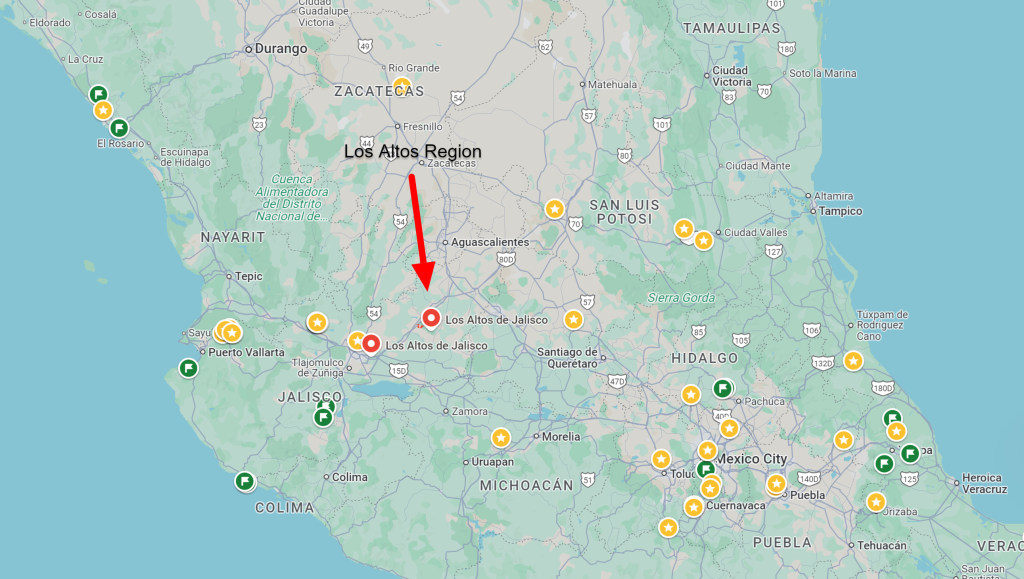
Map of the Tequila Regions of Mexico
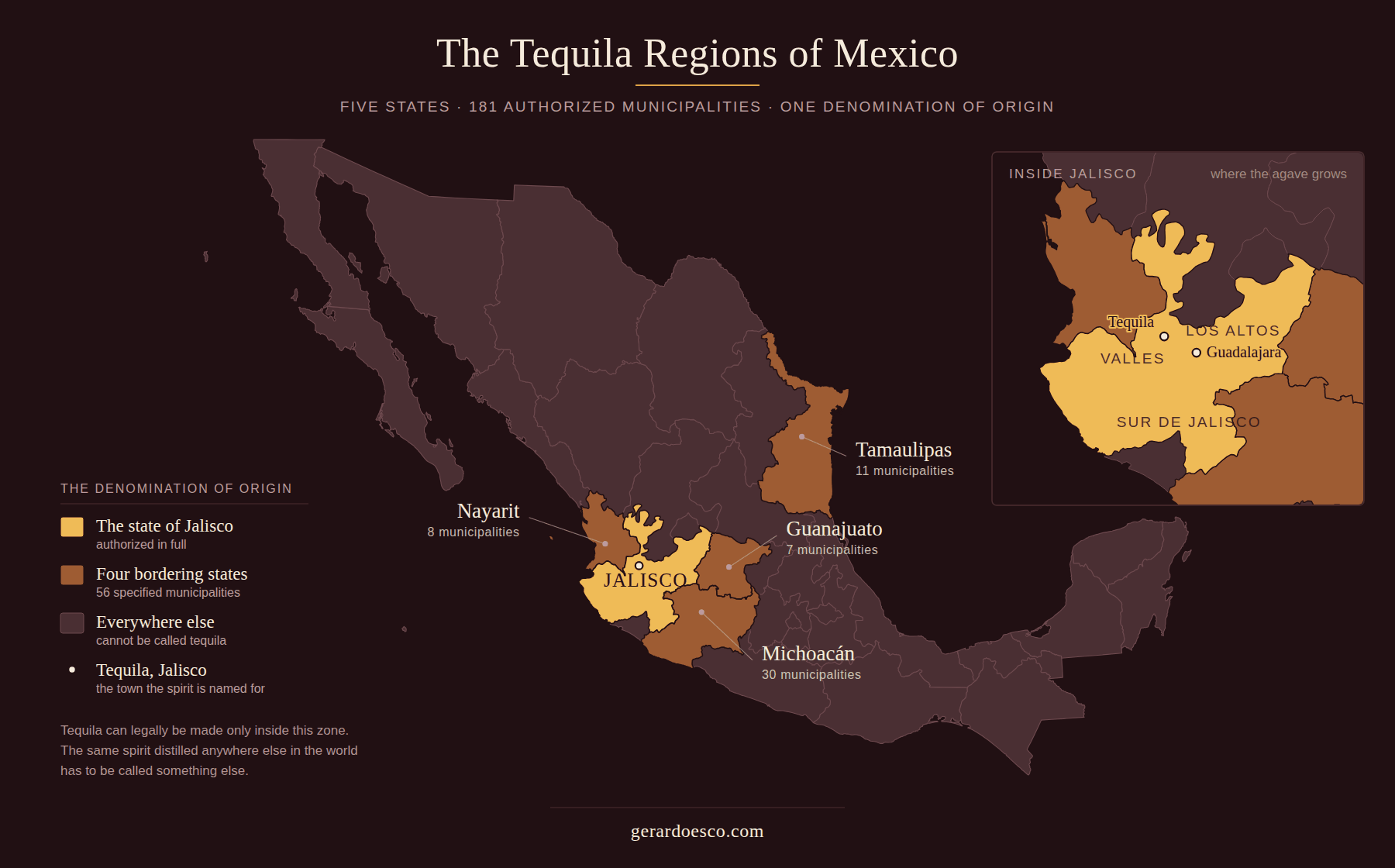
Four of the five states cluster around Jalisco in western and central Mexico. Tamaulipas is the outlier — a group of 11 municipalities up in the northeast, near the Gulf coast. The town of Tequila itself sits in Jalisco, about an hour northwest of Guadalajara, and it’s the historical and symbolic epicenter of the whole category.
Where Is Tequila Made?
Tequila is made in Mexico — specifically, inside a legally defined zone that spans all of Jalisco plus a limited set of municipalities in Guanajuato, Michoacán, Nayarit, and Tamaulipas. That zone is called the Denominación de Origen Tequila (Denomination of Origin, or DO), and it was established in 1974.
The rule is strict: if the blue agave isn’t grown inside those 181 authorized municipalities, and if the spirit isn’t distilled inside that same zone, it cannot legally be sold as “tequila” anywhere in the world. An identical spirit made from the same blue agave one municipality over has to be labeled as an “agave distillate” instead.
Two things power the enforcement:
- NOM-006-SCFI-2012 — the Mexican standard that defines what tequila is, how it’s made, and the ABV range (35%–55%).
- The Consejo Regulador del Tequila (CRT) — the tequila regulatory council that certifies every distillery and every bottle.
The protection is recognized in more than 40 countries, which is why you won’t find “American tequila” or “Spanish tequila” on any legitimate shelf.
The 5 Tequila Regions Explained
1. Jalisco — The Heartland
Jalisco is the only state where every one of its 125 municipalities is authorized to produce tequila. It’s home to the town of Tequila, the city of Guadalajara, and the two sub-regions that most flavor debates revolve around: the Highlands (Los Altos) to the east and the Valley (Valles) around the town of Tequila itself. If you pick a bottle off a shelf at random, it almost certainly came from Jalisco.
2. Guanajuato — The Eastern Extension
Seven municipalities in western Guanajuato — including Pénjamo, Abasolo, and Purísima del Rincón — qualify for tequila production. Geographically, this cluster is essentially an eastern extension of the Los Altos highlands, sharing the same elevation and red clay soils that shape Highlands-style tequila.
3. Michoacán — The Southern Belt
Thirty municipalities in northern Michoacán are authorized, mostly clustered around Lake Chapala’s southern shore. This is the second-largest region by municipality count, and producers here often point to the influence of the lake and warmer climate on the agave, yielding tequilas with more tropical fruit and floral character.
4. Nayarit — The Pacific Side
Eight municipalities on the Pacific side of the country qualify, including Tepic (the state capital), Ahuacatlán, and Jala. Much of the agave grown here is trucked back into Jalisco to be distilled, but a small number of Nayarit-based producers do bottle locally.
5. Tamaulipas — The Northern Outlier
Tamaulipas is the geographic outlier — 11 municipalities in the far northeast of Mexico, near the Gulf coast, including Aldama, Altamira, Mante, and Xicoténcatl. It’s the only tequila region that isn’t part of the western cluster, and it was folded into the DO because of long-standing agave cultivation in the area.
Highlands (Los Altos) vs Valley (Valles): Two Very Different Tequilas
Within Jalisco, the single biggest flavor divide isn’t between brands — it’s between the Highlands and the Valley. Same agave species, same distillation rules, dramatically different results.
| Highlands (Los Altos) | Valley (Valles / Lowlands) | |
|---|---|---|
| Elevation | ~1,800–2,100 m | ~1,200–1,500 m |
| Soil | Red, iron-rich clay | Dark volcanic soil |
| Agave character | Larger piñas, higher sugar content, longer to mature | Smaller piñas, mineral-driven, faster to mature |
| Flavor profile | Fruity, floral, citrus, sweeter cooked-agave notes | Earthy, herbaceous, peppery, savory minerality |
| Classic examples | Ocho, El Tesoro, Tapatío, Don Julio, Casamigos | Fortaleza, Cascahuín, Siete Leguas, Tequila Ocho (Valley bottlings) |
Neither is “better.” They’re two different expressions of the same plant, shaped by where it grew. Once you’ve tasted a Highlands bottle and a Valley bottle side by side, you’ll never un-taste the difference.
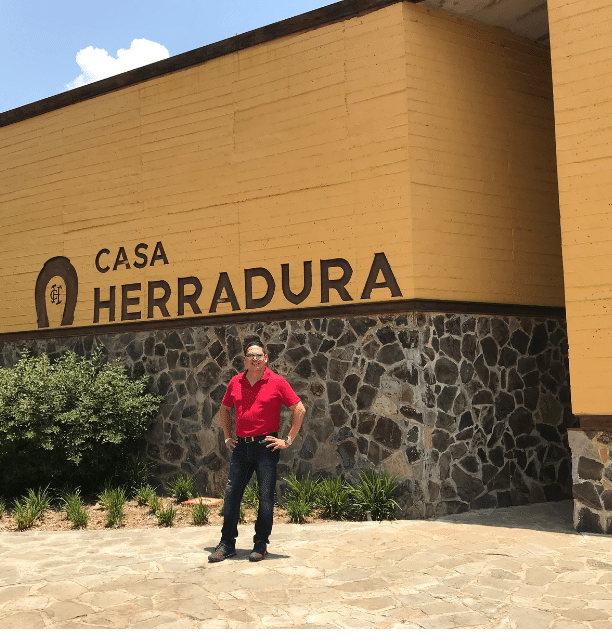
Some of the most iconic distilleries call El Valle home. I toured Herradura’s historic Hacienda San José del Refugio in Amatitán, which was like walking through a tequila time capsule. Their production facility is massive compared to some of the smaller highland operations I’d seen. Then there’s Jose Cuervo’s La Rojeña distillery in the actual town of Tequila – the oldest operating distillery in Latin America. Despite being such a huge commercial producer, their premium lines showed me why they’ve stood the test of time.
Why the Region on the Label Matters
Most tequila labels tell you the brand, the category (blanco, reposado, añejo), and maybe the NOM number — but not the region — though the NOM number is a back door to it. Those four digits identify the exact distillery that made the bottle, and a distillery has an address. The NOM directory on this site lists the ones I have recorded, with the town and region for each, so you can look up a bottle in your hand instead of guessing from the front label. If you want to actually taste the difference between a Highlands bottle and a Valley bottle, the easiest way is to try one of each back to back.
A few reliable picks:
- To taste the Highlands: a classic Los Altos blanco like Tequila Ocho Plata (single-estate, vintage-dated) or El Tesoro Blanco — both bright, floral, and cooked-agave forward.
- To taste the Valley: Casa Noble is the reference bottle — tahona-crushed, unmistakably earthy and peppery.
Pour a half-ounce of each into two identical glasses, let them rest for two minutes, and smell them before you taste. The Highlands bottle will probably lean sweeter and more floral, the Valley bottle more savoury and mineral — that is the difference people mean by terroir, and on these two bottles it is usually there to find. That’s terroir in a shot glass.
One honest caveat, because this page is the reason some readers will start buying by region. The highlands and the Valles are places, not recipes. Seven separate distilleries sit inside the single highland town of Arandas, turning out everything from single-estate vintage tequila to supermarket mixto — same elevation, same red soil, nothing like the same bottle. And a distillery’s region does not even tell you where its agave grew: NOM 1146 distils in the lowland town of Tequila and sources its agave from the highlands. Treat region as a starting hypothesis, then check the building.
Once you’ve got the region dialed in, the next question is usually how aging changes the picture — which is where the silver vs gold tequila distinction comes in, and then the deeper reposado, añejo, and extra añejo categories.
Frequently Asked Questions
How many tequila regions are there?
There are five. Tequila can only legally be produced in Jalisco, Guanajuato, Michoacán, Nayarit, and Tamaulipas — 181 authorized municipalities in total.
Is all tequila made in Jalisco?
No, but the vast majority is. Jalisco is the only state where every municipality qualifies, and most tequila brands — even those that source agave from other states — distill in Jalisco.
What is the tequila region called?
The formal name is the <em>Denominación de Origen Tequila</em> (Tequila Denomination of Origin, or DO). It was established in 1974 and is regulated by the Consejo Regulador del Tequila (CRT)
Where is the town of Tequila?
The town of Tequila is in the state of Jalisco, about 65 km (40 miles) northwest of Guadalajara. It sits in the Valley (Valles) sub-region, at the foot of the Tequila Volcano, and is a UNESCO World Heritage Site
Which tequila region is best?
There’s no single “best” region — it depends on the flavor you like. Highlands (Los Altos) tequilas tend to be sweeter, fruitier, and more floral. Valley (Valles) tequilas tend to be earthier, more herbaceous, and peppery. Most drinkers end up preferring one style once they’ve tasted both side by side.
Learn More About Tequila
- How to Taste Tequila Like A Master
- Tequila Vs. Mezcal Key Differences
- How to Choose the Best Tequilas: Complete Guide
- Understanding the Tequila Flavor Wheel: A Complete Guide
- Silver vs Gold Tequila
- 10 Best Luxury Tequila Brands (2026): A Buyer’s Guide