
Top Tequila Tasting Terms to Know: Master the Language of Agave
Did you know that over 85% of tequila enthusiasts can’t identify more than five professional tasting terms when…

Did you know that over 85% of tequila enthusiasts can’t identify more than five professional tasting terms when sampling their favorite spirit? I’ve been there too! As tequila continues its meteoric rise in popularity beyond simple shots and margaritas, understanding the language of tequila tasting has become essential for anyone looking to truly appreciate this complex spirit. Whether you’re a casual sipper or aspiring connoisseur, mastering these key tequila tasting terms will transform how you experience, describe, and select your next bottle. Join me as we explore the fascinating vocabulary that opens up a whole new dimension of tequila appreciation!
The Basics: Essential Tequila Vocabulary
I’ll never forget embarrassing myself at a dinner party by claiming all tequilas were basically the same. My friend Miguel, whose family was in the tequila business, nearly choked on his drink! Let me save you from a similar fate.
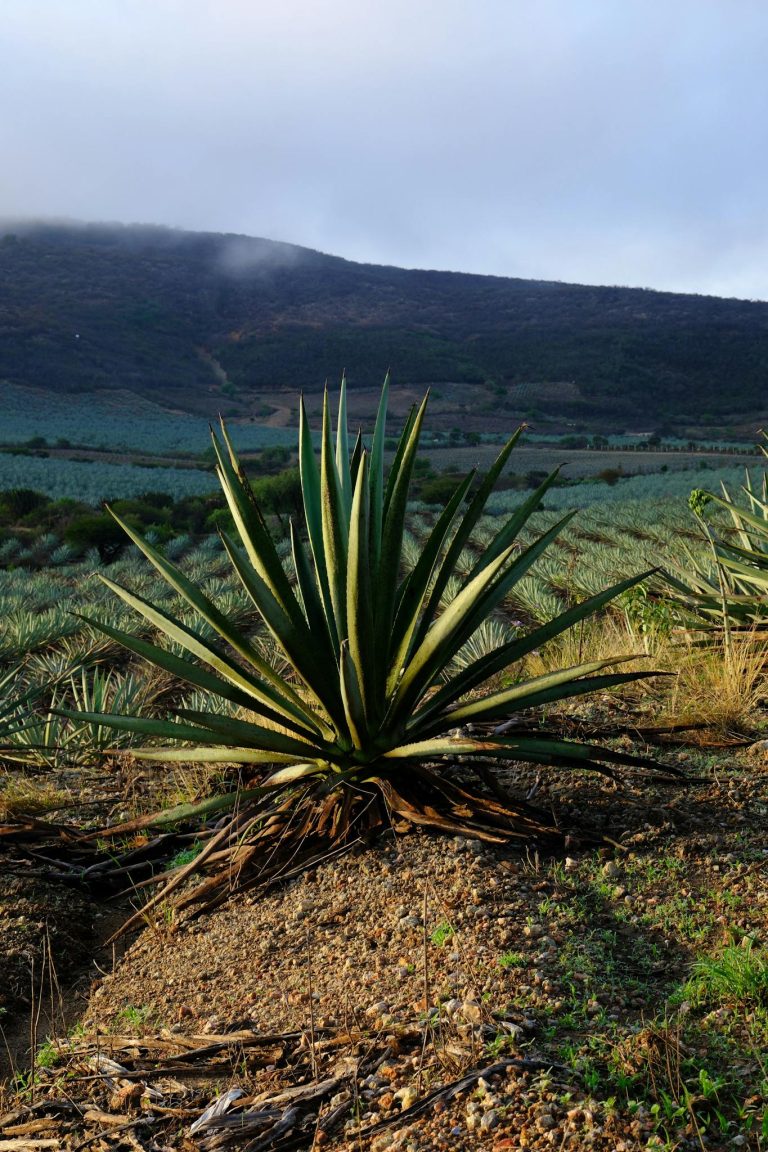
Real tequila must be produced from blue weber agave grown in specific Mexican regions. The critical distinction is between “100% agave” tequila and “mixto” (only 51% agave). Those terrible hangovers? Usually from mixtos, which I discovered after one rough night in my twenties!
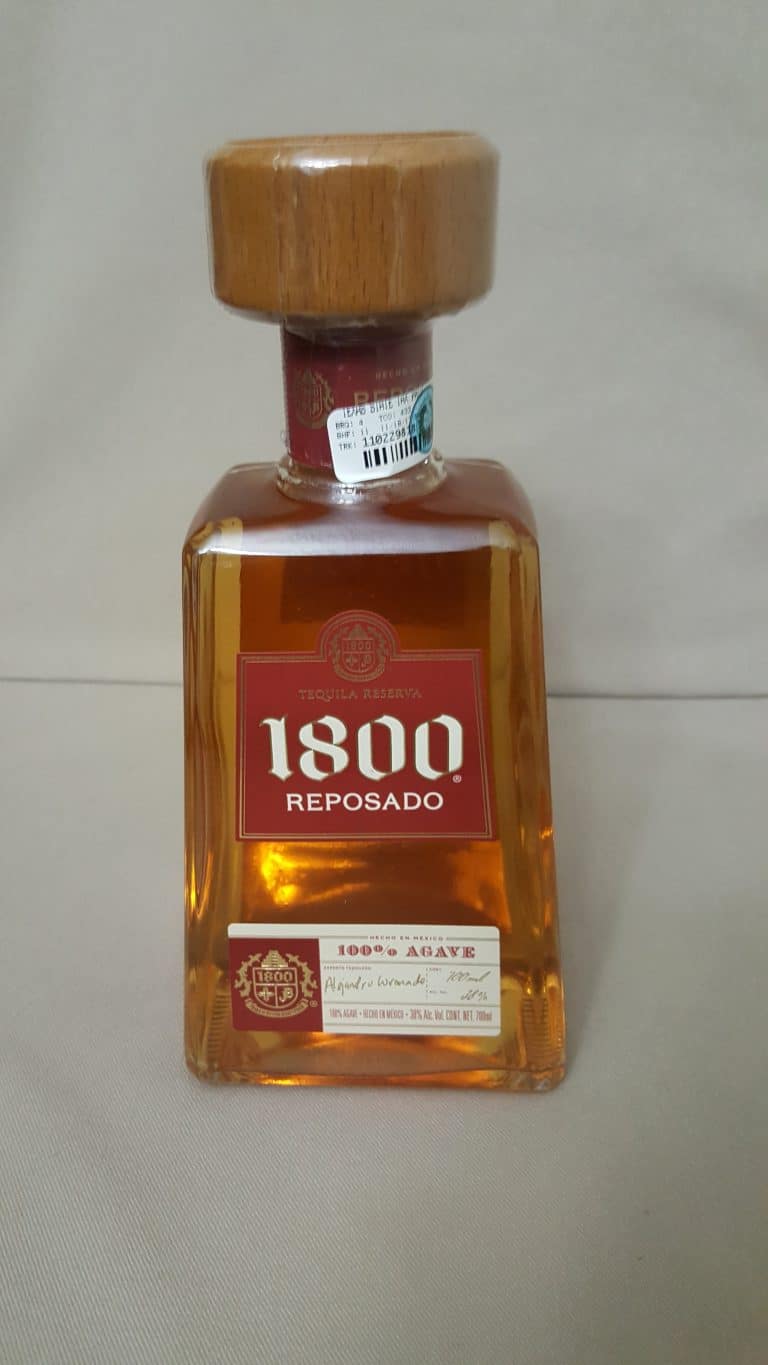
Tequila categories are all about aging. Blanco tequila (silver) is unaged, delivering bright, herbaceous notes and peppery finish that’s perfect for margaritas. Reposado tequila rests 2-12 months in oak, developing a smoother tasting profile with vanilla notes in aged tequila becoming apparent. Añejo tequila characteristics develop between 1-3 years of aging, while extra añejo terminology refers to those aged over three years, which can rival fine cognac in complexity!
That four-digit NOM identification on bottles isn’t a batch number—it’s the distillery’s ID assigned by Mexican authorities. Some facilities produce dozens of brands while others focus on artisanal tequila terms and techniques like the traditional tahona process terminology instead of diffuser vs traditional production methods that can affect quality.
The production region dramatically impacts tequila terroir explanation. Highland tequila characteristics tend toward sweetness and floral notes, while lowland tequila flavor profiles are often more earthy with vegetal characteristics. Factors like soil conditions, minerality in tequila, and agave ripeness indicators all contribute to the final tequila nose terminology and palate development.
Understanding these basics has transformed how I appreciate tequila. Instead of choosing by the coolest label, I now recognize quality by examining tequila color terminology, tequila clarity terms, and even tequila legs meaning in the glass. Your margarita game will thank you!
Visual Tequila Tasting Terms
Man, I can’t tell you how many times I’ve been caught staring intently at my glass of tequila, swirling it around like some kind of wizard. My friends used to tease me mercilessly until I explained what I was actually doing – examining the visual characteristics that tell you so much about what you’re about to drink!
The first thing I always check is the tequila clarity terms – basically how clear the liquid is. A quality blanco should be absolutely crystalline with perfect transparency. I remember buying a “budget” silver tequila once that had this weird cloudiness to it. Big mistake! Turns out, that cloudy appearance was a red flag for poor filtration. On the flip side, sometimes artisanal tequilas might have slight sediment which isn’t necessarily bad – it can indicate minimal filtering that preserves flavor compounds.
Tequila color tasting terms fascinate me too. Blancos should be water-white or have the slightest straw tint. Reposados typically show amber hues from oak aging descriptors, while añejos develop that gorgeous mahogany richness. I’ve got this party trick where I can roughly guess aging time just from color intensity! The oloroso influence from sherry casks can add distinctive reddish tones, while French oak influence tends toward golden colors.
My favorite visual test involves checking tequila viscosity in spirits, which you can see in the “legs” or “tears” that form when you swirl your glass. These actually indicate the tequila body description! Thin, fast-running legs usually mean lighter body, while slow, thick streaks suggest a fuller-bodied tequila with more glycerol content. The first time I noticed this in an extra añejo, I was mesmerized watching those lazy tears glide down the glass for nearly a minute!
The tequila glassware types you use really matter for proper visual assessment. I used to serve tequila in those little shot glasses (rookie mistake!). Now I use tulip-shaped glasses similar to what’s on the tequila flavor wheel for professionals. The slight narrowing at the top concentrates aromas while the bowl shape allows proper swirling to examine legs and color. I invested in a set of proper tequila glasses after visiting a distillery in Jalisco, and honestly, it’s changed the whole experience.
Visual cues can tell you lots about tequila maturation vocabulary too. That deep amber with red highlights? Probably spent time in wine barrels. Those greenish tints in a blanco? Could indicate super-fresh, vegetal characteristics from rapid distillation. I’ve gotten pretty good at spotting artificially colored tequilas too – they have this unnaturally uniform appearance that lacks the subtle gradient you see in naturally aged spirits.
Proper examination means holding your glass against a white background in good lighting. I’ve been known to whip out a white napkin at restaurants to check color properly, which drives my wife crazy! But hey, if I’m paying premium prices for single estate tequila, I want to appreciate every aspect of it.
Learning these visual tequila tasting terms has made me appreciate the craftsmanship behind each bottle. It’s like the distiller’s artistry is speaking to you before you even take the first sip! And let’s be honest – there’s something kinda cool about impressing your friends with your ability to “read” a tequila just by looking at it. Though I should probably stop describing tequila legs meaning at casual get-togethers… apparently not everyone finds viscosity as fascinating as I do!
Nose/Aroma Tasting Vocabulary
I used to think sniffing tequila was pointless – just get to drinking it, right? Boy, was I wrong! After attending a tequila workshop years ago, I realized the nose reveals everything about quality and production methods. Now I’m that annoying friend who spends five minutes just smelling before taking a sip!
Primary aromas from blue weber agave are the foundation of any good tequila. A quality blanco should hit you with those fresh cooked agave aromas – slightly sweet and vegetal with citrus notes. The first time I experienced properly made traditional tequila, I was blown away by the bright herbaceous tequila notes that weren’t present in the commercial stuff I’d been drinking.
When it comes to reposado tasting profile and older expressions, secondary aromas start emerging from oak aging. You’ll detect vanilla notes in aged tequila, along with caramel, cinnamon, and sometimes coconut. I remember being stunned by how my perception changed after learning to identify these aromas. What I initially described as “just smells good” was actually a complex interplay of wood sugars and agave.
With extra añejo terminology comes those gorgeous tertiary aromas – dried fruit, tobacco, leather, and sometimes coffee. These develop during extended maturation and remind me of fine cognacs. My first XA tequila notes literally made me exclaim out loud – the complexity was mind-blowing compared to the simple spirits I was used to.
Learning to identify off-aromas saved me from many bad purchases! That sharp, solvent smell? Probably from diffuser vs traditional production methods. A weird chemical note? Could indicate poor fermentation aromas or cuts during copper pot distillation. The workshop instructor taught me that earthy notes in tequila are wonderful, but actual dirt smell means something went wrong!
Proper nosing technique matters too! Don’t just jam your nose in the glass like I used to. Hold it slightly away, swirl gently, and take short sniffs with your mouth slightly open. This seems weird, but it prevents alcohol burn and lets you detect the minerality in tequila and subtle herbaceous characteristics.
Learning this tequila nose terminology transformed my appreciation completely. Now I can identify highland tequila characteristics versus lowland tequila flavor profile just by smell. Who knew my nose could detect tequila terroir explanation through aromatic compounds? It’s like having a superpower for finding quality spirits!
Palate and Flavor Terminology
I still laugh thinking about the first time I tried to describe a tequila’s flavor at a tasting event. I blurted out “it tastes like… um… good tequila?” Everyone chuckled, and the host handed me a flavor wheel. Talk about a game-changer for my tequila palate development!
Sweetness in tequila isn’t like dessert sweetness. It’s more subtle. The cooked agave sweetness in quality blancos reminds me of light honey or fresh agave nectar. I remember trying a highland tequila with incredible agave flavor profile that had this gentle sweetness balanced perfectly with other notes. In aged expressions, you’ll find caramel and vanilla notes developing from oak aging descriptors. My first sip of a well-aged añejo tequila characteristics literally made me say “wow” out loud – the transformation of agave into these rich, sweet notes was incredible.
The spice and heat aspects of tequila mouthfeel descriptors took me longest to appreciate. That peppery finish in blancos isn’t a flaw – it’s supposed to be there! I used to think good tequila shouldn’t burn, but I’ve learned to distinguish between harsh alcohol heat (bad) and the pleasant warming sensation from natural oils in the agave. Some reposados develop amazing cinnamon notes that complement their vanilla perfectly. I once attended a tasting where the guide had us try a small piece of black pepper before sipping to help identify these characteristics.
Herbal and vegetal characteristics are what really separate tequila from other spirits. Quality tequilas often have fresh grass, mint, olive, or even bell pepper notes. My lowland tequila flavor profile favorites tend to be more earthy with these herbaceous tequila notes being prominent. I was genuinely surprised when I first learned to identify these flavors – they were always there, but I hadn’t known what to look for!
Fruit flavors in tequila range from citrus in younger expressions to tropical and stone fruits in aged versions. The first time I tasted well-made artisanal tequila terms became clear to me – there were distinct lemon and grapefruit notes that I’d never noticed in commercial brands. Some extra añejo terminology includes descriptions of dried fruits like raisins or dates, which develop during that extended maturation.
The minerality in tequila absolutely fascinated me once I learned to spot it. Tequila terroir explanation isn’t just marketing – you can taste the difference! Highlands agave often grows in iron-rich soil giving subtle metallic notes, while volcanic or limestone influences create distinct mineral characteristics. I finally understood why tequila from different regions tastes so different despite using the same blue weber agave.
Learning these flavor terms transformed my appreciation from “this tastes good” to truly understanding the craftsmanship behind each bottle. And yes, it’s made me insufferably picky about my margaritas too!
Mouthfeel and Texture Terms
I used to think tequila was just about the flavor until a bartender friend called me out for ignoring the “feel” of the spirit. Man, was that eye-opening! Now I pay just as much attention to tequila body description as I do to taste.
When we talk about body, we’re basically describing how “heavy” the liquid feels. I remember trying my first truly full-bodied extra añejo and being shocked at how it coated my entire mouth, almost like olive oil. Compare that to some light-bodied blancos that feel more like water with flavor. Medium-bodied reposados hit that sweet spot that makes them so versatile for mixing or sipping. I’ve found highland tequila characteristics often include a slightly fuller body than their lowland counterparts.
The oiliness or viscosity in spirits completely changes your experience. Quality tequilas made using the traditional tahona process terminology tend to have this amazing silky texture that’s impossible to find in mass-produced stuff. I once splurged on a high-proof tequila characteristics bottle that had incredible viscosity despite its strength. The tequila legs meaning became clear when I saw how slowly they ran down my glass – a visual preview of that luxurious mouthfeel.
Astringency wasn’t something I noticed until I tried a poorly made tequila that practically sucked all the moisture from my mouth. Good añejo tequila can have pleasant tannic impressions from oak aging, similar to red wine, but it should never be harsh. The first time I experienced the proper balance between tannins and sweetness in a well-aged expression was at a tasting where they paired tequila with chocolate – mindblowing how they complemented each other!
Alcohol heat is probably the most misunderstood aspect of tequila. That burning sensation isn’t automatically bad – it’s about integration. Cheap mixtos have this harsh, throat-searing quality, while well-made 100% agave expressions show what proper tequila finish length feels like – warming and pleasant rather than burning. I embarrassed myself once by complaining about the “alcohol burn” in an expensive bottle, only to have an expert explain it was actually the natural oils and peppery finish from the agave itself.
Balance and complexity are what separate good tequila from great tequila. When everything harmonizes – the sweetness of cooked agave, the spice, the vegetal characteristics, the minerality – you get this amazing experience where no single element overpowers the others. I still remember my first perfectly balanced reposado tasting profile – it was like a lightbulb moment for understanding tequila complexity.
Learning these texture terms changed how I drink tequila completely. I now appreciate the craftsmanship that goes into creating these mouthfeel experiences almost as much as the flavors themselves. And yes, I’ve definitely become that annoying friend who won’t stop talking about “palate development” at parties!
Finish and Aftertaste Vocabulary
I used to slam tequila shots without a second thought about the finish. Big mistake! After a memorable tasting in Jalisco, I realized I’d been missing half the experience by ignoring what happens after you swallow. The finish is where truly great tequilas show their stuff!
The length of a tequila’s finish tells you tons about its quality. My first experience with a genuinely long finish was eye-opening – flavors kept developing for nearly a minute after swallowing! Cheap tequilas typically have that short, forgettable finish that disappears instantly. I wasted years on those before discovering properly made spirits with medium to lingering finishes that keep evolving. That premium extra añejo terminology often includes descriptions of exceptionally long finishes that seem to last forever.
Flavor evolution completely fascinated me once I learned to pay attention. Good blancos often show a peppery finish that transitions to sweet cooked agave aromas at the very end. The reposado tasting profile typically evolves from initial oak and vanilla notes to more complex spice as it fades. I once tried this amazing añejo tequila that transformed from caramel sweetness to subtle tobacco, then finally to minerality in tequila as it faded. That complex evolution just doesn’t happen with inferior products.
The retronasal experience (those flavors you perceive when exhaling through your nose after swallowing) adds another dimension entirely. I remember being instructed to exhale gently after sipping, and suddenly all these herbaceous tequila notes appeared that weren’t obvious on the palate! This technique especially highlights the vegetal characteristics and earthy notes in tequila that might otherwise hide behind stronger flavors.
Not all finishes are pleasant, unfortunately. I’ve had plenty with harsh alcohol heat that burns uncomfortably, bitter chemical aftertastes from poor distillation vocabulary, or that weird artificial sweetness some producers add. The difference between those and the clean, warming glow of quality tequila finish length is night and day. A properly made spirit should leave your palate feeling refreshed rather than assaulted.
To evaluate finish properly, I’ve learned to take small sips and let the tequila coat my entire mouth before swallowing. Then I note how long flavors persist, whether they change, and if any new flavors emerge. I also pay attention to tequila mouthfeel descriptors as the finish develops – does it remain smooth or turn astringent? Does the alcohol burn fade quickly or linger unpleasantly?
Learning to appreciate finish quality has saved me from so many mediocre purchases! That bargain reposado might taste decent initially but fall apart in the finish. Meanwhile, some unassuming bottles surprise you with their incredible complexity and length. My friends think I’m nuts for sitting quietly for a full minute after each sip, but hey – they’re missing out on half the experience!
Common Tasting Flaws and Off-Notes
I still cringe thinking about the party where I raved about this “amazing bargain tequila” I’d discovered. My friend Miguel, whose family owned a small distillery, took one sniff and gently explained it was loaded with additives. Talk about embarrassing! That moment sent me down a rabbit hole of learning to spot tequila flaws that I’m actually grateful for now.
Chemical off-notes were the first thing I learned to identify. That nail polish remover smell? That’s acetone, folks, and it’s a major red flag. I bought this cheap blanco once that reeked of it, probably from poor distillation methods where they didn’t make proper cuts. Even worse are those plastic or rubber aromas that signal serious production issues. I’ve found that diffuser vs traditional production creates this distinctive artificial character that’s hard to miss once you know what to look for.
Wood flaws were trickier for me to spot at first. I used to think “more oak = better” until I tried an over-wooded añejo that tasted like I was chewing on a plank! Excessive wood influence masks the beautiful blue weber agave flavor profile that should still be present even in aged expressions. The influence or French oak influence should complement the spirit, not dominate it. I’ve learned that balance is everything – good oak aging descriptors include vanilla and spice notes that harmonize with the agave rather than suffocating it.
Fermentation faults can ruin otherwise promising tequilas. That funky, almost cheesy smell? Probably poor fermentation aromas from uncontrolled temperatures or contamination. I visited this one distillery that was super proud of their “natural fermentation,” but honestly, their tequila had this sour milk note that was just nasty. Some fermentation characteristics can be pleasant, but there’s definitely a line between “interesting” and “gone wrong.”
The additives game is what really opened my eyes to tequila manipulation. That unnaturally smooth extra añejo with overwhelming caramel flavor? Probably loaded with glycerin and sweeteners. I was shocked to learn that even some premium-priced brands use colorings and flavorings! Real cooked agave sweetness has this beautiful natural quality that artificial additives just can’t replicate. Once you experience true artisanal tequila terms and profiles, the manipulated stuff becomes obvious.
Learning to distinguish authentic vs. manipulated tequilas took practice but has saved me tons of money and disappointment. Traditional tequila making creates this incredible complexity and tequila terroir explanation that additives just can’t fake. The tahona process terminology might sound fancy, but it refers to production methods that preserve those genuine agave characteristics. Estate grown tequila and single estate tequila typically show much more authentic character than mass-produced brands.
The more I’ve learned about these flaws, the pickier I’ve gotten. My liquor cabinet might have fewer bottles now, but they’re all ones I truly enjoy rather than marketing-driven purchases I regret. And trust me, your head will thank you the morning after drinking properly made spirits without all those nasty additives!
Advanced Tasting Term Applications
I used to feel so awkward at tequila tastings, jotting down basic notes like “smooth” or “strong.” Everyone else seemed to have these elaborate descriptions while I was stuck with generic adjectives.
Creating your own tasting notes doesn’t have to be intimidating. I started by focusing on just three aspects: the nose, palate, and finish length. For each, I’d write down the first impressions that came to mind, even if they sounded silly. My first genuine tasting note included “smells like my grandma’s herb garden” for a blanco tequila notes section. Not fancy, but it was honest! I gradually incorporated more specific tequila nose terminology as I learned it. The key is starting simple and building your vocabulary.
Professional tequila scoring systems fascinated me once I dug into them. Most use 100-point scales similar to wine ratings, evaluating appearance, aroma, flavor, finish, and overall impression. I downloaded a few tequila flavor wheel charts and started practicing their methods at home. Talk about eye-opening! My appreciation for tequila complexity increased tenfold when I began breaking down each element systematically rather than just saying “yum” or “yuck.”
Comparing notes with others is where the real learning happens. I joined this online tequila forum where we’d all taste the same bottle and share our impressions. It was mind-blowing how someone would mention “cooked agave aromas” that I’d completely missed, or how I’d pick up minerality in tequila that others didn’t notice. These comparisons taught me that we all perceive spirits differently based on our own palates and experiences.
Using tequila tasting terms pairing completely changed my dinner parties. Once I understood highland tequila characteristics versus lowland tequila flavor profile differences, I could match them properly with foods. Earthy notes in tequila pair beautifully with mushroom dishes, while those with vegetal characteristics complement fresh herbs and citrus. My friends were impressed when I explained why I’d chosen that particular reposado tasting profile to accompany the chocolate dessert!
My tequila vocabulary has evolved dramatically with experience. Terms that once seemed pretentious like “peppery finish” or “herbaceous tequila notes” now roll off my tongue because I’ve actually experienced them. I laugh remembering how I once argued with a friend about whether you could taste the difference between copper pot distillation terms and column still production. Now I can spot the difference instantly!
The more you taste, the more nuanced your understanding becomes. What started as a casual interest has turned into a genuine passion for understanding the artisanal tequila terms and production methods. And yes, it’s ruined me for cheap tequila forever – but I’d say that’s a worthwhile trade-off for the amazing spirits I’ve discovered along the way!
Conclusion
Armed with these essential tequila tasting terms, you’re now ready to embark on a more informed and enjoyable tequila journey! Remember that developing your palate and vocabulary takes time and practice, but the rewards are well worth it. Don’t be intimidated by the terminology; use it as a tool to better articulate what you genuinely enjoy. The next time you share a special bottle with friends or visit a tequila bar, you’ll approach the experience with newfound confidence and appreciation. Now you are ready to learn How to Taste Tequila like a Master. ¡Salud!