
How to Collect Tequila: A Beginners Guide
Have you ever sipped a remarkable tequila that made you wonder what other hidden gems exist in the…
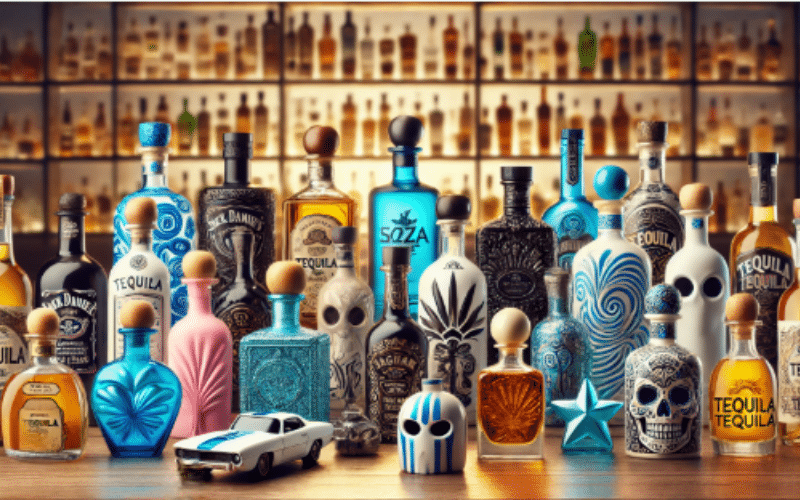
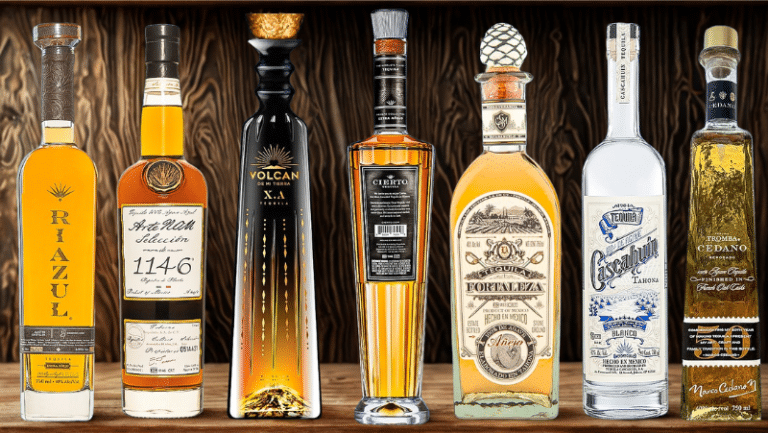
Have you ever sipped a remarkable tequila that made you wonder what other hidden gems exist in the world of agave spirits? You’re not alone! The art of tequila collecting has exploded in popularity, with enthusiasts around the globe seeking out rare, artisanal, and limited-edition bottles. In 2025, tequila collecting has become more than just a hobby—it’s a passionate pursuit that combines appreciation for craftsmanship, cultural heritage, and investment potential. According to the Distilled Spirits Council, premium and super-premium tequila sales have increased by 43% since 2021, making it the perfect time to begin your collection! This guide will walk you through everything you need to know to start your tequila collecting journey with confidence and purpose.
Understanding Tequila Basics
I never really understood what made tequila special until I started collecting bottles about eight years ago. What began as grabbing whatever was on sale quickly turned into a fascinating deep dive into one of Mexico’s most treasured spirits.
Legally speaking, tequila isn’t just any agave spirit. It has a Protected Designation of Origin (PDO), meaning authentic tequila can only be produced in specific regions of Mexico – mainly Jalisco and limited areas in Guanajuato, Michoacán, Nayarit, and Tamaulipas. I learned this the hard way after buying what I thought was “tequila” from another region. Spoiler alert: it wasn’t real tequila!
The 100% blue agave distinction matters enormously for collectors like me. Mixtos (containing only 51% agave with other sugars) might be cheaper, but they lack the complexity and regional character serious collectors hunt for. Plus, they’re usually responsible for those skull-crushing hangovers I don’t miss!
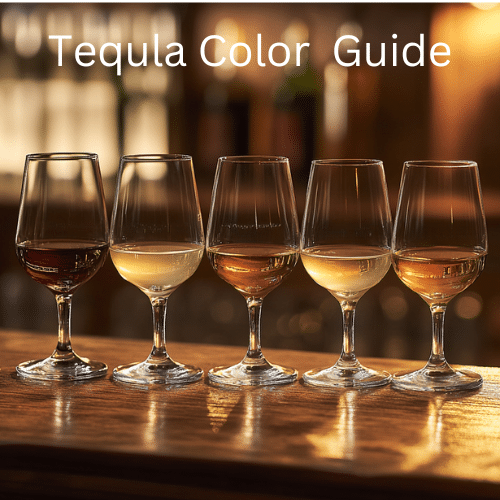
Each type represents a different aging process, which totally transforms the spirit. Blanco is unaged and showcases the purest agave flavor. I keep these for when I wanna taste the actual terroir. Joven (or gold) tequilas are basically blancos with coloring or a splash of aged tequila mixed in – honestly, I skipped collecting these initially. My mistake!
Reposado, rested for 2-12 months in oak, develops this amazing balance between agave and barrel influence. Añejo spends 1-3 years aging and picks up these gorgeous vanilla and caramel notes. The extra añejos (aged 3+ years) are my special occasion bottles – super complex with rich woody characteristics.
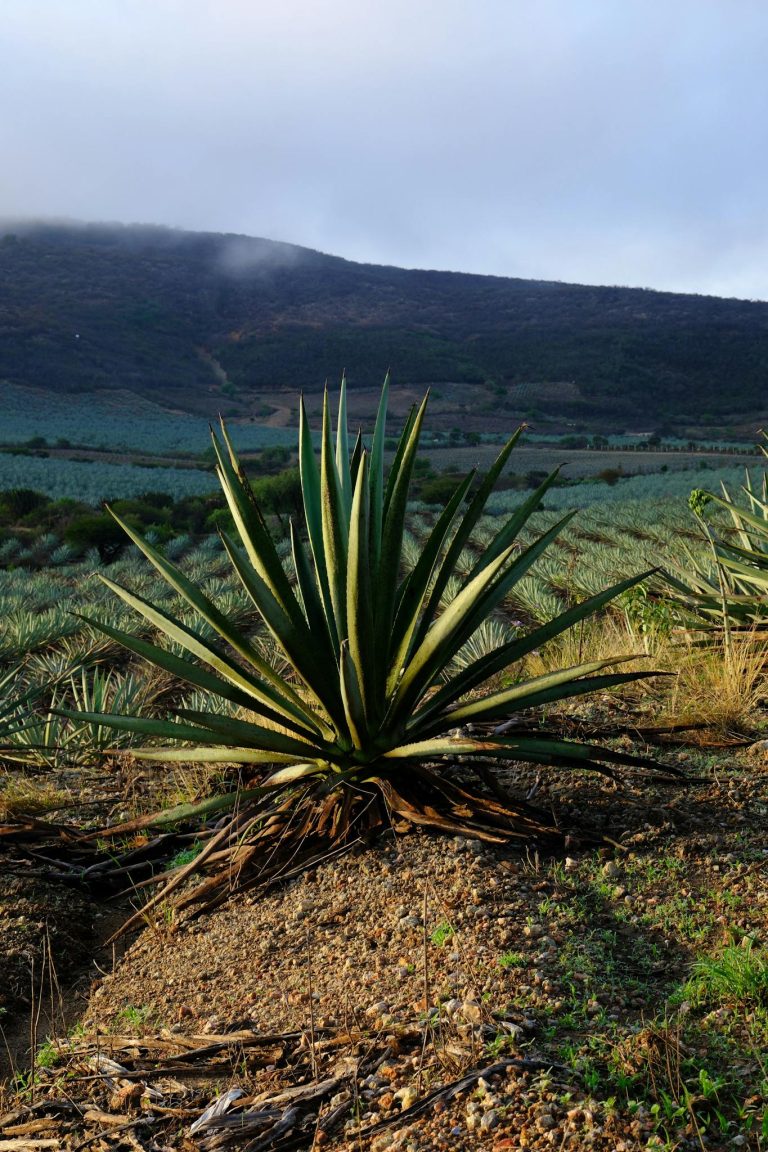
The highlands (Los Altos) produce sweeter, fruitier tequilas from slower-growing agave, while lowland tequilas tend toward earthier, herbal notes. I’ve got bottles from both, and the difference is night and day!
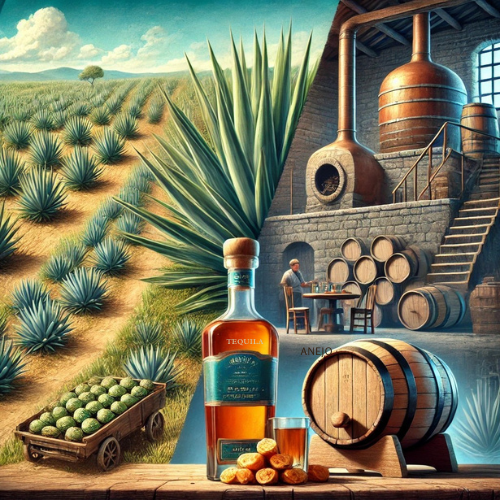
Traditional production methods, like tahona stone-crushing and brick ovens, versus efficient modern techniques can make or break collectibility. My most treasured bottles use old-school methods that create these incredible complex flavor profiles you just can’t replicate with industrial processes.
Defining Your Collection Goals
I started collecting tequila without any real plan. Just grabbed bottles that looked cool or had interesting labels. Big mistake! Three years and way too much money later, I realized I needed some actual direction for my collection.
Figuring out why you’re collecting makes all the difference. For years, I was torn between bottles I loved drinking and ones that might appreciate in value. Eventually, I admitted I’m more of an enjoyment collector than an investor, though I’ve got a few sealed bottles tucked away that have tripled in value. Not too shabby!
Finding your collection theme is kinda like discovering your personal style. After some expensive trial and error, I settled on highland region tequilas with traditional production methods. My buddy Alex went distillery-specific, focusing entirely on El Tesoro releases. Both approaches work, but having that focus saved us both serious cash in the long run.
Budget reality checks aren’t fun, but they’re necessary. I set a monthly “tequila allowance” after that awkward conversation with my partner about our credit card bill. For beginners, I suggest starting with quality blancos and reposados in the $40-60 range rather than blowing your budget on one $300 extra añejo. I learned that one the hard way!
Storage requirements snuck up on me. What started as a few bottles on my kitchen counter evolved into a temperature-controlled cabinet after I noticed flavor changes in bottles exposed to sunlight and heat fluctuations. Nothing worse than watching a $120 bottle lose its magic because you displayed it in a sunny window. Trust me on this one.
Creating your roadmap doesn’t have to be complicated. I started with a simple spreadsheet tracking what I had, what I wanted, and price points to watch for. It’s grown more detailed over time, but having even a basic plan prevents those impulsive purchases you might regret.
Sometimes I still get sidetracked by a beautiful bottle or limited release that doesn’t fit my collection theme. And ya know what? That’s totally fine! Your collection should bring you joy, whether it’s perfectly curated or a bit eclectic. The “rules” are really just guidelines anyway.
Essential Tools and Storage Solutions
I still cringe thinking about how I used to store my tequila bottles on top of the fridge – probably the worst place possible! After watching my prized Fortaleza Añejo lose its vibrant flavor profile in just six months, I learned the hard way that proper storage isn’t just for wine collectors.
Temperature consistency is absolutely crucial. I keep my collection between 60-65°F now, after reading that temperature fluctuations can accelerate aging and alter flavors. My first storage cabinet was actually a converted bookcase with some basic climate control added – not perfect, but way better than that above-fridge mistake I made for years.
Light exposure is tequila’s sneaky enemy. I lost a beautiful reposado to what collectors call “lightstrike” before I understood UV damage. The sunlight streaming through my living room windows completely altered the spirit’s character. Now I use amber-colored LED lighting in my display case which shows off the bottles without damaging what’s inside.
Finding the right glassware transformed my tequila experience completely. Those little shot glasses? They hide all the complex aromas. I switched to Glencairn glasses and proper tulip-shaped copitas, and suddenly discovered flavor notes I’d been missing for years. They weren’t cheap, but they’re the best investment I’ve made besides the tequila itself.
Humidity control wasn’t on my radar until I noticed some label damage on my bottles. Too dry, and paper labels crack and peel; too humid, and they warp or grow mold. I aim for about 50-60% humidity now, using simple humidity packs similar to what cigar collectors use. Worked like a charm for my small collection.
My tracking system started as scribbled notes in a journal but evolved into a detailed spreadsheet that’s probably overkill for most people. I track purchase date, price, current market value, tasting notes, and even who I’ve shared each bottle with. The memories associated with special bottles have become just as valuable as the spirits themselves.
There are tons of collection apps out there, but Distiller has been my go-to for years. The tasting note templates helped train my palate when I was starting out, and I love being able to catalog my bottles with photos. Some serious collectors I know use auction tracking apps too, but I’m not quite at that investment level… yet!
The weirdest essential tool in my collection? A set of small pipettes. Sounds strange, but they’re perfect for extracting small tasting samples from precious bottles without exposing the whole thing to oxygen. Total game-changer for those special occasion bottles you don’t want to open fully.
Navigating the Market: Where to Find Collectible Tequilas
Finding truly collectible tequilas used to drive me nuts. My local liquor store carried the same mainstream brands, and I kept seeing the same bottles everywhere. It wasn’t until I stumbled into a tiny specialty shop during a weekend trip that I realized I’d been looking in all the wrong places.
Specialty liquor stores are absolute goldmines if you can find the right ones. The shop I discovered was run by this older gentleman who traveled to Jalisco twice a year to personally select barrels. His knowledge was incredible, and he introduced me to small-batch producers I’d never have found otherwise. These specialty shops often get allocated rare bottles that never hit the shelves of big chain stores. The prices might be higher, but the selection is worth it.
I was super skeptical about buying tequila online until my collection buddy convinced me to try it. Turns out, there are legitimate retailers with incredible selections that ship to most states. Just check your local laws first! I learned that lesson after a $200 bottle got confiscated during shipping. Talk about a bad day.
Distillery-direct purchasing became my obsession during a trip to Jalisco three years back. Many distilleries offer special releases that never make it to export markets. My prized bottle is a single-barrel reposado I watched being bottled while visiting El Tesoro. The distiller signed it, and it remains unopened in my collection. Sometimes the story behind the bottle is as valuable as what’s inside.
Tequila auctions intimidated me at first. All these collectors bidding serious money on bottles I’d never even heard of! I started by just watching online auctions for a few months before placing my first bid. My advice? Set a firm price limit before bidding and stick to it no matter what. Auction excitement can lead to serious buyer’s remorse. Trust me – I’ve been there.
The secondary market is where things get complicated. I’ve found incredible bottles through private sellers, but I’ve also been burned by what turned out to be a refilled bottle. Always check for signs of tampering, like damaged tax stamps or inconsistent fill levels. And never buy without verifiable provenance for higher-end bottles. That $600 lesson was painful.
Subscription clubs saved me from missing several limited releases last year. For about $100 quarterly, I get access to bottles that sell out within hours of release. Some clubs are distillery-specific, while others curate from multiple producers. The upfront cost stings a bit, but it beats paying inflated secondary market prices.
Traveling through Mexico completely changed my collection game. Small-town liquor stores often have dusty treasures the tourists miss. I found a discontinued special edition in a tiny Guadalajara shop that would have cost triple back home. Just make sure you understand customs limits before attempting to bring bottles back!
Authenticating and Evaluating Bottles
I nearly fell for a counterfeit bottle of Don Julio 1942 at a parking lot “deal” about five years ago. The price seemed too good to be true—because it was! Thankfully, something felt off about the packaging, and I walked away. That close call sent me down a rabbit hole of learning how to authenticate tequila properly.
Spotting fakes has become second nature now. I always check for tiny details like the quality of the print on labels, the depth of embossing on the glass, and the consistency of the tax stamp. Legitimate bottles have crisp, clear printing without any bleeding or fuzziness around the edges. I once spotted a fake because the font was slightly different on the back label—details matter!
NOM numbers were completely mysterious to me at first. These four-digit codes on every authentic tequila bottle identify exactly which distillery produced it. Finding the NOM registry online changed everything for my collecting journey. Now I can tell when a brand switches production facilities or when different brands come from the same distillery. NOM 1146 bottles became my early collecting focus—I loved tracking how one producer created distinctly different products for various brands.
Batch variations drive some collectors crazy, but they fascinate me. My collection includes four different batches of the same reposado, each with subtle differences in flavor profile. The inconsistency that bothers casual drinkers is exactly what makes collecting interesting! I remember doing a side-by-side tasting of different batches with friends who thought I was nuts—until they tasted the differences themselves.
Evaluating potential value appreciation took me years to understand. Limited production runs, discontinued bottles, special collaborations, and celebrity-backed brands that fail quickly can all become tomorrow’s sought-after collector items. I keep a close eye on industry news for announcements about formula changes or packaging updates—those “last run” bottles often appreciate surprisingly well.
Developing a framework for evaluating taste isn’t just about collecting—it’s about understanding what you’re investing in. I created a simple rating system that covers appearance, nose, palate, finish, and overall impression. Taking detailed notes helps track how bottles evolve after opening and whether that expensive purchase was actually worth it. My early notes are hilariously basic compared to what I notice now!
The craziest authentication story? I once helped a friend verify a supposedly rare bottle by contacting the master distiller directly through social media. Turns out it was authentic but from an experimental batch that was never meant for public sale. Sometimes the oddball bottles with “mistakes” become the most valuable pieces in a collection.
Some collectors focus purely on investment potential, but I believe you should genuinely appreciate what you’re collecting. Otherwise, what’s the point? The bottles that bring me the most joy aren’t always the most valuable ones—they’re the ones with great stories and memorable flavors.
Building Relationships in the Collecting Community
I spent my first two years collecting tequila in total isolation, hoarding knowledge and bottles like some kind of agave dragon. Big mistake! Everything changed when I reluctantly attended a local tasting event and met fellow collectors. Suddenly, my solo hobby transformed into this vibrant social experience I never expected.
Online forums became my daily obsession after that. Sites like Tequila Matchmaker and Reddit’s r/tequila community connected me with collectors worldwide. I remember feeling intimidated by all the expertise at first, but most folks were incredibly welcoming. One collector from Texas even sent me samples of discontinued bottles I’d been hunting after seeing my wishlist post. The generosity in this community still blows me away sometimes.
Social media groups vary wildly in quality. I joined about a dozen Facebook tequila groups before finding two that weren’t just people posting bottle porn or hunting for rare releases. The best groups focus on education and appreciation rather than bragging rights. I’ve learned to spot the difference pretty quickly now.
My first major tequila festival in Guadalajara was absolutely mind-blowing. Talking directly with master distillers and family owners gave me insights no book or website could provide. I still cringe remembering how I nervously approached Carlos Camarena with a million questions, but he spent almost 30 minutes chatting with me like we were old friends. Industry folks generally love sharing their knowledge if you show genuine interest.
Building relationships with local liquor store owners and distributors has saved me thousands of dollars over the years. My regular shop now texts me when allocated bottles arrive, before they even hit the shelves. This didn’t happen overnight – it took months of regular visits, thoughtful conversations, and demonstrating that I wasn’t just flipping bottles for profit.
Hosting tasting events revolutionized my collecting experience. I was nervous about sharing my precious bottles at first, but watching friends discover and appreciate good tequila is weirdly satisfying. We do themed tastings monthly now – comparing highlands vs. lowlands, or traditional vs. modern production methods. These gatherings have become the highlight of my collecting journey.
The education never stops in this hobby. I completed the Tequila Regulatory Council’s certificate program last year, which seriously leveled up my knowledge. Was it necessary? Probably not. But the classes connected me with people who share my passion, including a distributor who’s now become a close friend and invaluable source for rare bottles.
Some collectors get caught up in one-upping each other with rare finds or big spending. I’ve learned to avoid that competitive vibe and focus on the folks who genuinely want to share experiences and knowledge. The most valuable bottle in my collection was actually a modest reposado gifted to me by an elderly collector who appreciated my interest in the traditional methods he’d been documenting for decades. That connection means more than any expensive bottle ever could.
Tequila Bottle Investment Considerations and Market Trends
I made some embarrassingly naive investments when I started collecting tequila. Bought a bunch of celebrity-endorsed bottles that tanked in value faster than I could say “marketing gimmick.” Live and learn, right? After some costly mistakes, I finally started paying attention to actual market patterns instead of hype.
The tequila investment landscape has shifted dramatically in recent years. Premium and ultra-premium segments have exploded, with some limited releases appreciating 300-400% in just 18-24 months. I watched a bottle I hesitated on at $200 climb to nearly $800 within a year. Still kicking myself over that missed opportunity! The days of tequila being just a casual spirits category are definitely behind us.
Limited production bottlings from established, heritage producers tend to hold their value best. I’ve focused my investment portion on tequilas with documented small batch sizes, traditional production methods, and distilleries with multi-generational history. These bottles have consistently outperformed trendy newcomers in my collection. The fancy crystal decanter releases look impressive but don’t always retain value like the more humble-looking but authentically crafted options.
Aging specifications create interesting investment opportunities. Extra añejos with specific barrel finishes have been particularly strong performers in my portfolio. I grabbed a small-batch sherry cask finish that doubled in value when the distillery announced they wouldn’t repeat that particular aging process. Production details matter enormously for serious investors.
Brand reputation drives long-term value more than I initially realized. Some distilleries have carefully built their collector credibility through transparency, consistent quality, and resisting the temptation to flood the market with “limited” releases that aren’t actually limited. I’ve learned to research a brand’s history of honoring their production claims before investing significantly.
Timing purchases strategically has become something of an obsession for me. Annual releases often follow predictable patterns – initial hype, quick sell-through, secondary market spike, then gradual stabilization. I try to buy either at initial release or during that stabilization phase, avoiding the peak hype period when prices are most inflated. Patience has saved me thousands.
Insurance wasn’t on my radar until my collection surpassed a certain value threshold. My regular homeowner’s policy had pathetic coverage limits for spirits collections. After researching specialized collection insurance, I found options that specifically cover breakage, spoilage, and accurate market valuation. Not cheap, but necessary peace of mind after investing so much.
The strangest value driver I’ve noticed is packaging authentication features. Bottles with sophisticated anti-counterfeiting measures like NFC chips, specialized holograms, or proprietary bottle markings tend to maintain stronger secondary market values. Buyers pay premiums for verification confidence, which makes total sense given the counterfeiting issues in the premium spirits world.
Some collectors obsess over every market fluctuation. I’ve found a more balanced approach works better – identify bottles with strong fundamentals, purchase at fair prices, and hold medium to long-term rather than trying to flip quickly. The most stressed collectors I know are the ones constantly chasing quick profits rather than building a thoughtful collection with investment potential.
Remember that not every bottle needs to be an investment. About 70% of my collection is for pure enjoyment, while 30% is selected with potential appreciation in mind. Finding that personal balance between passion and investment strategy has made this hobby infinitely more sustainable and enjoyable for me.
Conclusion
Starting a tequila collection is an exciting journey that connects you to centuries of Mexican tradition and craftsmanship while potentially building something of significant value. Whether you’re drawn to the complex flavors of an extra añejo or the cultural significance of traditional production methods, your collection will become a personal expression of your passion and knowledge. Remember, the best collections start with curiosity and develop through experience—so don’t be afraid to sample widely, ask questions, and connect with fellow enthusiasts. As your collection grows, so will your appreciation for the remarkable spirit that is tequila. ¡Salud! Ready to start your collection? Begin by selecting your first bottle using the knowledge you’ve gained, and soon you’ll be sharing your discoveries with friends and fellow collectors alike.