

Tequila Color Meaning: What It Tells You: Expert Analysis
Did you know that the color of your tequila can tell you almost everything about what’s in your…
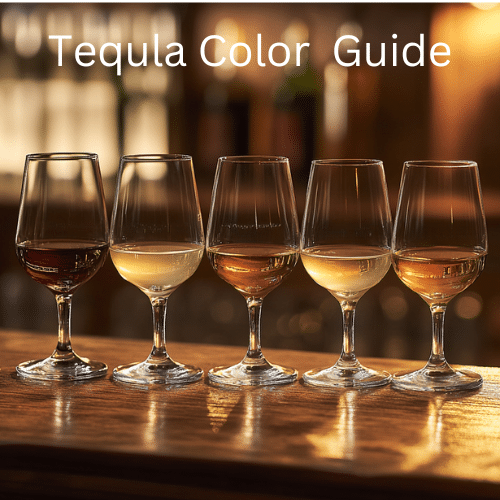
Did you know that the color of your tequila can tell you almost everything about what’s in your glass? From aging processes to flavor expectations, that golden (or clear) liquid holds secrets waiting to be discovered! As tequila continues its meteoric rise in popularity, understanding the significance behind its various hues becomes essential for both casual sippers and dedicated aficionados. In this comprehensive guide, we’ll decode the visual language of Mexico’s most celebrated spirit and reveal how a simple glance can enhance your tequila experience. “The color of tequila is the first chapter in its story,” says Maestro Tequilero Eduardo Orendain. Let’s learn to read that story together!
Understanding the Tequila Color Spectrum
I still remember the first time I hosted a tequila tasting party. What started as a casual get-together turned into a full-blown education session when my friend asked, “Why are some clear and others look like honey?” That sparked my journey into understanding tequila colors.
There’s WAY more to tequila than just the clear stuff. The color spectrum tells an incredible story about how it was made and what flavors to expect. After visiting distilleries in Jalisco, I’ve learned quite a bit about this gorgeous spirit.
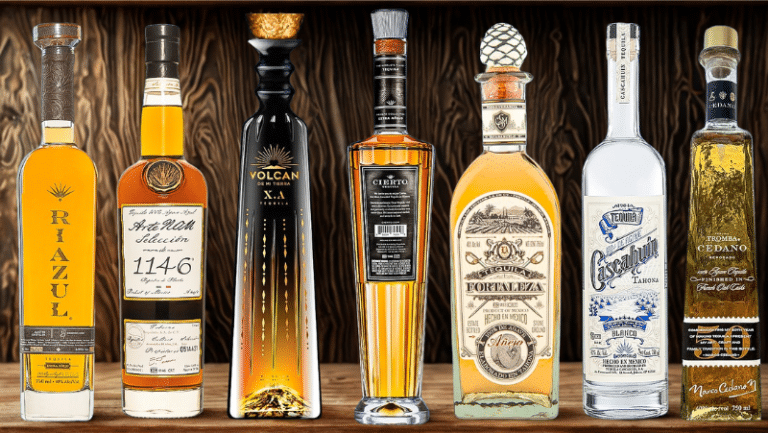
The classification system is pretty straightforward. Blanco (or Silver) is crystal clear and unaged. Reposado has a pale gold color from resting in oak for 2-12 months. Añejo tequilas are aged 1-3 years, developing a beautiful amber hue. Extra Añejo ages more than 3 years and can reach a deep mahogany color rivaling fine cognacs.

I once bought what I thought was premium Añejo, only to discover it was artificially colored with caramel. Disappointment! Color additives are permitted by regulations, but the best producers typically avoid them.
Production methods have EVERYTHING to do with color. The aging vessels are crucial – different oak barrels impart varying color intensities and flavor notes. Clear tequila doesn’t automatically mean lower quality. My tequila mentor produces an incredible Blanco that outshines many aged options.
Generally, lighter tequilas showcase more prominent agave flavors – those wonderful pepper, citrus, and herbaceous notes. As tequilas darken through aging, they develop complexity with caramel, vanilla, and dried fruit characteristics. My sweet spot is a good Reposado – balanced between fresh agave and oak-influenced flavors.
Next time you’re choosing a bottle, take a moment to appreciate that gorgeous spectrum from crystal clear to deep amber. It’s like a window into the spirit’s soul!
Blanco (Silver/White) Tequila: The Clear Foundation
The first time I held a bottle of premium Blanco tequila up to the light, I was struck by its perfect clarity. It’s funny – I used to think all clear spirits were basically the same until I started really getting into tequila about seven years ago. Boy, was I wrong!
Blanco tequila maintains that gorgeous crystal-clear appearance because it’s either bottled immediately after distillation or rested for a super short period (under two months) in neutral containers. When I visited a small family-owned distillery outside Arandas, the maestro tequilero showed me their stainless steel resting tanks. He explained how crucial this process is for maintaining purity while allowing the harsh edges to mellow just slightly.
I’ve learned that transparency isn’t just about looks – it’s actually a window into quality. A truly excellent Blanco should be completely clear without any cloudiness or floating particles. I once bought a budget bottle that had this weird haziness to it. Turns out, that can indicate poor filtration or rushed production. Not surprisingly, it tasted pretty rough too!
What I love most about good Blanco tequila is how it showcases the pure agave expression without any masking from barrel aging. You get all those wonderful pepper notes, citrus brightness, and that distinctive herbaceous character that comes straight from the blue weber agave. I made the mistake once of dismissing Blanco as the “unfinished” version of tequila. My tequila-loving uncle nearly disowned me for that comment!
If you notice subtle tints in your Blanco, it might be telling you something important about how it was made. A very slight straw color could indicate a brief rest in wooden containers, while a faint bluish tint sometimes shows up in tequilas made in copper stills. I’ve got a bottle with that bluish hint that’s absolutely divine – super clean with these amazing mineral notes.
When I’m shopping for premium Blanco tequila now, I always look for certain visual cues. The liquid should have a slightly viscous appearance when swirled, creating those “legs” on the glass that indicate higher oil content from quality agave. Lower-quality options tend to look thin and watery. I learned this the hard way after dropping serious cash on a pretty bottle that turned out to be all style and no substance.
Next time you’re checking out Blanco tequilas, hold that bottle up to the light! That perfect clarity isn’t just beautiful – it’s the foundation of everything that makes tequila special.
Reposado Tequila: The Golden Transition
I’ll never forget my first side-by-side tasting of a Blanco and Reposado from the same distillery. The color difference blew me away! That golden transformation happens like magic during those 2-12 months of barrel aging, and lemme tell you, it’s not just about looks.
After visiting a few distilleries in Jalisco, I realized the exact shade of gold in a Reposado tells an amazing story about its creation. My favorite master distiller showed me his barrel room where hundreds of oak vessels were quietly transforming clear spirit into liquid gold. The interaction between the wood and tequila creates that gorgeous spectrum from pale straw to rich amber.
I made an embarrassing mistake at a tasting once, bragging about a particularly golden Reposado only to have an expert point out it contained caramel coloring. Talk about awkward! Natural coloration comes exclusively from barrel contact, while artificial coloring gives a more uniform appearance. I’ve learned to look for inconsistency in the golden hue – nature isn’t perfect, and that’s actually a good sign.
The barrel type makes a HUGE difference in the color development. American white oak tends to impart lighter golden tones with vanilla notes, while French oak often creates deeper amber hues with spicier characteristics. One distillery I visited used barrels that previously held cognac, creating this incredible coppery-gold Reposado that knocked my socks off.
Watching how Reposado moves in the glass has become somewhat of an obsession for me. A well-rested version has this silky motion that creates beautiful, slow-moving legs down the side of your glass. Cheaper options tend to run quickly without that luxurious viscosity. I learned this trick from a third-generation tequilero who could tell a tequila’s quality just by swirling the glass!
Temperature fluctuations during aging actually intensify color development as the liquid expands and contracts into the wood. A distillery in the highlands showed me how their dramatic temperature shifts created deeper colors in less time than their lowland counterparts. Nature’s pretty clever that way.
When I’m picking a Reposado now, I look for that perfect middle-ground color – not too pale (suggesting minimal barrel contact) and not too dark (possibly artificially enhanced). That honest, earned golden glow is what makes Reposado the perfect transitional style between the rawness of Blanco and the richness of Añejo.
Añejo Tequila: The Amber Depths
My first experience with a proper Añejo tequila completely changed my perception of the spirit. I had always associated tequila with those clear shots from college days, but that rich amber liquid in my glass looked more like a fine whiskey. The transformation was mind-blowing!
The distinctive amber to mahogany color of Añejo tequilas develops during those crucial 1-3 years of barrel aging. I remember visiting a family-owned distillery where they showed me their aging room filled with barrels of different ages. The master distiller pulled samples from barrels aged 1, 2, and 3 years, and the color progression from golden to deep amber was absolutely stunning.
I’ve made some rookie mistakes in my tequila journey, like assuming darker always means better. Not necessarily true! While aging deepens both color and complexity, some producers go overboard with additives. I once proudly brought an extremely dark Añejo to a dinner party, only to have a knowledgeable friend point out it likely contained caramel coloring. Talk about embarrassing!
The char level of the barrels plays a HUGE role in color development. Heavily charred barrels create darker tequilas faster, while lightly toasted ones develop color more slowly but often with more nuanced flavors. A distiller in Amatitán showed me two Añejos from the same batch – one from a heavy char barrel was mahogany, while one from a light toast was amber with reddish highlights. Both were amazing but completely different!
I’ve learned to read viscosity as a quality indicator in amber tequilas. A well-aged Añejo leaves thick, slow-moving legs on your glass after swirling. Those legs don’t lie! They reveal the rich congeners and oils developed during proper aging. Some cheaper options might look dark but run quickly down the glass – a dead giveaway they haven’t earned their color honestly.
The difference between American and French oak aging became clear to me during a specialized tasting. American oak-aged Añejos typically show golden-amber colors with reddish highlights, while French oak produces deeper mahogany tones with slightly greenish edges in certain lights. Each has its own distinct personality!
Climate affects color development too. I visited a highlands distillery where cool temperatures slowed the aging process, producing lighter colored but incredibly complex Añejos. Their lowlands competitor had darker tequilas from the same aging period due to warmer temperatures accelerating wood interaction.
Next time you’re admiring that beautiful amber Añejo in your glass, remember that depth of color represents years of patient transformation. That’s what makes these aged treasures so special!
Extra Añejo: The Richest Spectrum
I’ll never forget my first sip of Extra Añejo tequila. It was at my friend’s 50th birthday, and this mahogany-colored spirit looked so much like a fine bourbon that I actually questioned if he was pulling my leg! The rich, deep color had me completely mesmerized.
The color journey to Extra Añejo territory is a patient one. After spending more than 3 years in oak barrels, these premium tequilas develop this incredible range from deep mahogany to almost reddish-brown hues. I visited a boutique distillery last year where they showed me their special Extra Añejo that had been aging for 7 years – it was practically black in the barrel but showed this gorgeous reddish glow when held to light.
I’ve made some embarrassing mistakes in my tequila education. Like the time I assumed a particularly dark Extra Añejo must be the highest quality at a tasting. The producer gently explained that his lighter-colored version actually spent more time aging but in previously used barrels, which impart less intense coloration but more complex flavors. Talk about a humbling moment!
The subtle color variations in Extra Añejo can tell you so much about how it was made. Those with slight olive or greenish edges often come from French oak, while reddish highlights typically indicate American oak. One master distiller showed me how his unique aging process using a combination of different barrels created this fascinating amber spirit with both copper and ruby undertones. Absolutely stunning!
It’s no accident that premium Extra Añejos bear a visual resemblance to aged whiskies and cognacs. They share similar aging processes, but what surprised me was learning how the agave base creates unique differences. Where bourbon might develop deep amber tones, agave spirits often take on these beautiful copper highlights that signal their distinctive origin. I learned this from a tequilero who previously worked in Scotch production.
When I’m examining an ultra-premium Extra Añejo now, I look for natural color inconsistencies – those slight variations in hue when the bottle is tilted or held to light. Perfectly uniform color often suggests coloring additives. The highest quality examples have these beautiful prismatic effects where different colors shine through depending on the angle. Nature is wonderfully imperfect!
The viscosity of an aged Extra Añejo is another telltale sign. Those thick, slow-moving legs that cling to your glass reveal the rich concentration of oils and esters developed during extended barrel time. I’ve got one special bottle that leaves these incredible “tears” that seem to hang forever. That’s when you know you’ve got something special in your glass!
Cristalino Tequila: The Deceptive Clarity
The first time someone handed me a Cristalino tequila, I was totally confused. “This is an aged tequila?” I asked, staring at the crystal-clear liquid. My friend laughed at my bewilderment. It looked exactly like a Blanco but tasted like it had spent years in barrels. Mind blown!
Cristalino represents this fascinating paradox in the tequila world – aged spirits that undergo charcoal filtration to strip away the color while maintaining aged flavor characteristics. I visited a distillery in Jalisco last year where they showed me the filtration process. Watching a rich amber Añejo transform into a clear liquid before my eyes felt like witnessing some kind of magic trick.
I’ve totally embarrassed myself trying to spot Cristalinos in a lineup. The trick, I eventually learned, is to look beyond the clarity to subtle visual cues. Most Cristalinos retain an ever-so-slight silvery or opalescent quality that pure Blancos don’t have. The filtration process removes color but leaves microscopic barrel-derived compounds that affect how light passes through the liquid.
Some premium Cristalinos intentionally leave subtle hints of color – maybe a faint straw tint or the slightest golden hue. My favorite producer explained this was their way of proving the tequila actually spent time in barrels. I once smugly identified what I thought was a partially-filtered Cristalino at a tasting, only to learn it was just stored in a bottle that had a yellowish tint. Talk about embarrassing!
The visual assessment challenges with Cristalino tequilas have made me a better taster overall. Without color cues to rely on, I’ve had to develop my palate to detect those vanilla, caramel, and spice notes that indicate aging. I’ve gotten pretty good at it, though I still get fooled sometimes in blind tastings.
When examining premium Cristalinos versus mass-market versions, I’ve noticed differences in viscosity. Quality Cristalinos maintain those silky, slow-moving legs on the glass despite their clarity. Cheaper versions often appear thinner and move more quickly down the sides of your glass. A knowledgeable bartender taught me this trick, and it’s been surprisingly reliable.
The innovation happening in the Cristalino category has been amazing to watch. Each producer seems to have their own filtration method, resulting in subtle visual differences if you know what to look for. Some have an almost diamond-like brilliance, while others show a softer, more velvety clarity. Who knew clear tequila could be so complex?
Reading a Tequila’s “Body Language”: Beyond Color
I used to think judging tequila was all about the taste, but boy was I wrong! After attending a tasting workshop in Guadalajara a few years back, I realized that “reading” a tequila visually tells you so much before it ever touches your lips.
Clarity and brightness matter across ALL tequila categories, not just the clear ones. I learned this lesson the hard way after dropping serious cash on an Añejo that had this weird cloudiness to it. The expert at the workshop explained that premium tequilas, regardless of age, should have a certain brilliance to them. Even deeply colored Extra Añejos should be free from floating particles and have a jewel-like quality when held to light.
The “legs” or “tears” that form on your glass after swirling tequila have become somewhat of an obsession for me. These slowly descending droplets actually reveal the alcohol content and viscosity of your spirit. I once embarrassed myself at a dinner party by declaring a tequila was cheap based solely on taste, only to have the host point out the gorgeous, thick legs that indicated quality production. The slower and thicker the legs, the better the tequila’s texture will likely be.
Sediment is another visual clue that took me ages to understand properly. While most mass-produced tequilas are filtered to complete clarity, some small-batch producers intentionally leave minimal sediment as evidence of traditional methods. My tequila mentor (yes, I have one of those now) showed me a premium unfiltered Blanco with tiny agave fibers visible when held against light. Five years ago, I would’ve complained about that!
I’ve been totally fooled by bottle design and glass color affecting my perception. Dark bottles can hide imperfections, while fancy packaging often distracts from average liquid. A distillery owner in Arandas taught me to always request to see premium tequilas in a clear glass before purchasing. That tip has saved me from some expensive mistakes!
Temperature actually affects visual assessment too. I cringe remembering how I used to store tequila in the freezer. Proper evaluation happens at room temperature when the oils aren’t condensed from cold. At a professional tasting, I watched in awe as the judge warmed the glass slightly in her hands before examination, revealing subtle visual nuances that weren’t visible when cold.
The pros use this cool technique where they tilt the glass against a white background in good natural light. This shows true color and clarity without distortion. I’ve set up a little evaluation station at home with a white card and proper glassware. My friends think I’m ridiculous, but they always want me to pick their tequila now!
Learning to read a tequila’s “body language” has transformed my appreciation of this amazing spirit. Next time you pour a glass, take a moment to really look before you taste!
The Color-Flavor Connection: What to Expect from Each Shade
I’ll never forget my first real tequila tasting experience. The host lined up five bottles ranging from crystal clear to deep mahogany, and I was shocked by how accurately I could predict the flavors just by looking at them! It was like the colors were speaking to me.
Clear tequilas are like the truth-tellers of the bunch. That pristine transparency typically signals fresher, more herbaceous profiles that showcase the true character of the agave plant. I made the mistake of dismissing Blancos as the “boring” option early in my tequila journey. Man, was I wrong! A premium Blanco delivers this incredible peppery, citrusy punch with vegetal notes that no other style can match. My brother-in-law (a dedicated whiskey drinker) was completely converted after trying my favorite highland Blanco.
When you start seeing those golden hues appear in Reposados, your palate can expect the introduction of vanilla and caramel notes from barrel aging. The first time I noticed this connection was at a distillery tour where they let us sample tequila at different aging stages. Even just two months in oak added this subtle honey color and surprisingly noticeable vanilla sweetness. It blew my mind how even slight color changes signaled such different flavor experiences!
I’ve learned that amber and mahogany colors are basically billboards advertising oak influence. The deeper the color, the more those barrel notes of chocolate, coffee, and baking spices will dominate. I once bought two Añejos with noticeably different color intensities – the darker one was like sipping liquid dessert, while the lighter version maintained more of the agave character. Both were fantastic but suited for completely different moods and pairings.
The really dark, rich tequilas that approach reddish-brown often contain these amazing spice and dried fruit elements. I served a special Extra Añejo at Thanksgiving last year, and my aunt was convinced she could taste cinnamon, dried cherries, and even a hint of chocolate. She wasn’t imagining things! Those complex flavors develop during extended aging and match perfectly with that deep color.
I’ve started using color as my preliminary guide when trying new tequilas or making recommendations. If someone enjoys bright, zesty flavors, I point them toward the clear or pale gold options. For folks who prefer rich, dessert-like spirits, the amber and mahogany expressions are usually perfect matches. I embarrassed myself once by recommending a dark Añejo to a friend who preferred crisp, clean flavors – lesson learned!
Of course, there are always surprises and exceptions. Those tricky Cristalinos look clear but deliver aged complexity! But overall, the color-flavor connection in tequila has proven remarkably reliable in my experience. It’s like the spirit is giving us a visual preview of what our taste buds can expect – pretty cool if you ask me!
Colour is the single most misread signal in tequila, and it is not the only one. The tasting mistakes worth avoiding collects the rest, from chilling a spirit that needs room temperature to judging a bottle by how elaborate it looks.
Conclusion
Next time you’re admiring that glass of tequila, remember that its color is more than just eye candy – it’s a window into its creation story! From the vibrant clarity of a Blanco showcasing pure agave essence to the rich amber depths of an Extra Añejo revealing years of patient maturation, each shade tells a unique tale. Understanding the tequila color spectrum empowers you to make more informed choices and deepen your appreciation of this remarkable spirit. Whether you prefer the unaged brightness of silver tequila or the complex richness of long-aged expressions, your eyes can guide you to your perfect pour. So raise a glass, take a moment to appreciate its hue, and enjoy the journey from sight to sip!
Learn More About Tequila
- How to Taste Tequila Like An Expert
- What is Añejo Tequila?
- What is the Tequila Flavor Wheel? Complete Guide
- How to Choose the Best Tequila: Complete Guide
- Tequila Vs. Mezcal: Key Differences
- Types of Tequila



Nice weblog right here! Also your web site quite
a bit up fast! What host are you using? Can I get your affiliate link for
your host? I wish my website loaded up as quickly as yours lol
Thank you.
My I am using WPX as my host. I am just getting started thanks for the comment.