

The Tequila Aging Process Explained: From Agave to Añejo
Did you know that premium aged tequila can spend over three years resting in oak barrels before it…
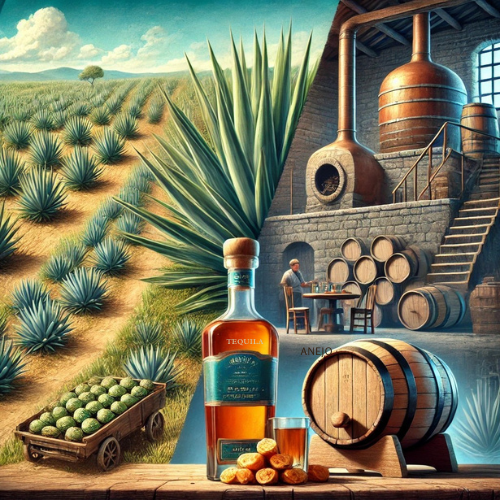
Did you know that premium aged tequila can spend over three years resting in oak barrels before it reaches your glass? The journey from freshly distilled spirit to complex, aged tequila is a fascinating blend of tradition, science, and patience! I’ve always been captivated by how time transforms the clear, vibrant spirit into something rich with notes of vanilla, caramel, and spice. The tequila aging process isn’t just about waiting—it’s an art form that has been perfected over generations of Mexican craftsmanship. In this comprehensive guide, we’ll explore how tequila matures from its raw state to the sophisticated sipping spirits many of us have grown to love.
The Foundation: Understanding Tequila Before Aging
I still remember my first visit to a tequila distillery in Jalisco. What an eye-opener! I thought I knew tequila, but standing amid those massive blue agave plants completely changed my perspective on blanco tequila production.
Those agave piñas take 7-10 years to mature before harvest; talk about patience! The jimadores slice away the spiky leaves with incredible skill using a traditional coa tool. I tried it once and nearly took out my foot. The NOM tequila standards ensure these traditional methods are maintained properly.
After harvest, the massive piñas (some weighing 200 pounds!) are cooked in brick ovens or autoclaves, converting complex carbohydrates into fermentable sugars. This process creates the foundation for everything from reposado tequila aging to the development of extra añejo tequila characteristics.
The cooked agave gets crushed to extract the juice – some premium distilleries still use a traditional tahona stone wheel, though most use mechanical shredders now. The juice ferments for 3-5 days, and climate effects on tequila aging begin even at this early stage.
Distillation is where the master distiller really shines. Most tequilas are distilled twice, creating the base spirit that will eventually interact with charred barrels for tequila maturation. The tequila aging requirements begin with this crucial step – if your base spirit isn’t excellent, no amount of oak barrel aging tequila techniques will save it.
Mexican regulations are strict – legal tequila must be produced in specific regions and contain at least 51% blue agave. The premium stuff is 100% blue agave and must be bottled at the distillery. These regulations protect tequila’s heritage before it even begins the tequila aging process that transforms a sharp blanco into a smooth añejo with complex tequila flavor development.
Tequila’s aging process is best understood by appreciating its entire journey, from agave field to distillation.
Tequila Aging Categories: From Blanco to Extra Añejo
When I first got serious about tequila, I was totally confused about all the different labels. Silver, gold, reposado, añejo; what did it all mean? Let me break it down for you the way I wish someone had done for me years ago.

Blanco tequila, sometimes called silver or white, is basically the purest expression of the agave spirit. It’s either unaged or rested for less than two months in stainless steel tanks. I remember trying my first quality blanco and being shocked at how different it was from the harsh shots of my younger days. You get all those herbaceous, peppery, citrusy notes from the agave without any barrel influence on tequila flavors. This is what the master distiller considers their signature statement before oak barrel aging tequila begins.
Reposado tequila aging happens between 2-12 months in oak barrels, and man, what a difference a few months makes! The first time I compared a blanco side-by-side with a reposado from the same distillery, I could taste how the wood interaction had rounded off some of the sharper edges. The reposo period adds subtle vanilla and caramel notes while still preserving much of the agave character. Some distilleries use used bourbon barrels for tequila aging here, which adds its own unique flavor compounds.
Añejo tequila characteristics develop during its 1-3 year aging period. This is where tequila flavor development really gets interesting. I’ve got a favorite añejo that spends about 18 months in American oak vs French oak barrels, and the complexity is mind-blowing. You’ll notice more pronounced wood notes, some spice, maybe some chocolate or coffee hints. The angel’s share in tequila becomes noticeable too – that’s the portion that evaporates during aging, concentrating the flavors even more.
Extra añejo tequila is the relative newcomer to the official tequila aging categories, only being officially recognized in 2006. These luxurious spirits spend over three years in oak, sometimes using the tequila solera method borrowed from sherry production. I once splurged on a bottle for my birthday, and the tequila color development alone was impressive – a deep amber that hinted at the rich, complex flavors inside. The tequila barrel maturation creates something that sipping tequila enthusiasts often compare to fine cognac or whiskey.
| Blanco (Silver) | 0 to 2 months | Clear | Fresh, bold agave, citrus, pepper | Bottled immediately or after brief rest; often used in cocktails |
| Joven (Gold) | Typically unaged | Pale gold | Mixed—agave, caramel, vanilla (if additives used) | Blend of Blanco with aged tequilas or colorings; budget-friendly |
| Reposado | 2 months to <1 year | Light gold | Oak, vanilla, spice, mellowed agave | Aged in oak barrels; balance of agave and wood influences |
| Añejo | 1 year to <3 years | Amber | Rich, smooth, notes of caramel, toasted oak, dried fruit | Aged in small oak barrels; ideal for sipping |
| Extra Añejo | 3+ years | Deep amber | Complex, luxurious—dark chocolate, tobacco, spice | Long aging; premium sipping experience; similar in style to fine whiskey |
Traditional tequila aging methods can clash with modern techniques. Some producers focus on small-batch aging and careful barrel selection. Others experiment by finishing tequila in wine or sherry barrels. The aging warehouses play a role too. Climate can greatly affect tequila aging due to temperature and humidity variations.
When I host tastings for friends, I always set up a vertical tasting from the same producer, moving from blanco through extra añejo. It’s the best way to appreciate how tequila evolves through its aging journey – from the vibrant, unaged spirit to the mellow complexity that only time can create. I’ve made tasting mistakes by serving tequilas out of order. Remember to start with blanco and progress from there.
Premium aged tequila is expensive, but understanding the NOM standards, barrel aging process, and craft expertise involved reveals why extra añejo bottles command higher prices. Charred barrels don’t just add flavor; they fundamentally transform the tequila.
The Science Behind Barrel Aging
I love aged tequila, also called reposado. Oak barrel aging is where the magic happens. The wood isn’t just a container; it’s an active ingredient. The porous oak lets the tequila “breathe.” This allows small amounts of oxygen to interact with the spirit. Oxygen softens harsh edges and changes raw alcohol notes into complex flavors.

Temperature fluctuations are huge for tequila barrel maturation. When it’s warm, the liquid expands and pushes into the wood. As it cools, it contracts and pulls compounds out. The tequila aging temperature in traditional warehouses can swing by 20 degrees or more between day and night, especially in highlands regions.
Humidity significantly impacts tequila’s angel’s share. Drier climates result in greater alcohol evaporation than water, leading to a more concentrated, albeit less alcoholic, final product. In humid areas, more water evaporates than alcohol, increasing the proof! I visited a tequila aging warehouse in Amatitan where they maintain different humidity zones to control this process.
Different woods create totally different flavor profiles. American oak vs French oak tequila aging is like night and day. American oak, especially from used bourbon barrels for tequila, brings vanilla, coconut, and caramel notes. French oak contributes more tannins and subtle spices. Some craft distillers are experimenting with other woods used for bourbon, sherry, or wine aging.
The charred barrels for tequila aging are fascinating too. The char level creates a natural filter and contributes to tequila color development. The high heat breaks down the wood’s lignin into vanillin compounds.
Time really is the secret ingredient in premium aged tequila. The slow extraction of flavors, the gradual oxidation, and the mellowing of harsh compounds can’t be rushed. Though some are trying with tequila aging innovations like sound waves or added wood chips. I’m a bit of a purist about these modern tequila aging techniques. I prefer traditional aging methods.
Barrel Selection: How Wood Influences Flavor
I got hooked on the barrel side of tequila after a disastrous home experiment. I bought this fancy bottle of reposado, then left it in my hot car for three hours. Big mistake! The heat had totally changed the flavor – not in a good way. That experience made me curious about how temperature and wood actually work together in tequila aging.
Oak barrel aging tequila isn’t just about time; it’s about the relationship between spirit and wood. You see, barrels aren’t passive containers; they’re more like flavor factories. Every time the tequila barrel temperature changes, the liquid expands and contracts, pushing into and pulling from the wood. It’s kinda like the barrel is breathing, which sounds weird but that’s what’s happening.
I became fascinated by the American oak vs. French oak tequila debate after tasting them. American oak offers bold vanilla and caramel flavors, similar to bourbon’s sweetness. My first side-by-side tasting was mind-blowing! French oak is subtler, with spicy notes and tannins like fine wine. Some premium aged tequila brands use both types to create complex flavors.
Bourbon barrels are popular for aging tequila. They are affordable since bourbon makers use them just once. They also carry sweet, vanilla notes from the bourbon. I visited a distillery unpacking fresh barrels from Kentucky, and the rich aroma was incredible. Some craft tequilas age in wine barrels, sherry casks, or even cognac barrels. Each type brings its own history and flavor.
Char levels are more important than I thought. Most tequila producers choose a medium char, but it can vary from light toast to heavy. A master distiller explained that heavier chars act like activated charcoal. They filter out harsh compounds and add smoky flavors. Lighter chars allow more wood flavors. It’s all about balance and the desired taste.
The size of the barrel is also important. Smaller barrels speed up aging due to more wood contact. I once tried a micro-barreled reposado that had more oak flavor in four months than some añejos get in 18! Traditional aging warehouses hold hundreds of 53-gallon barrels. Some craft producers use smaller barrels for quicker aging or larger ones for milder aging.
Climate greatly affects tequila aging. The highlands of Jalisco have different temperatures and humidity than the lowlands. This impacts how fast the angel’s share evaporates and how the spirit concentrates. I recall a small producer that moved their barrels seasonally. They placed them in cooler spots during summer and warmer areas in winter. Talk about commitment to barrel maturation!
Tequila aging now includes fresh ideas. These are barrel rotation, ultrasonic aging, and using woods other than oak. Not all fit strict NOM tequila standards, but the industry’s creativity is impressive. Whether you enjoy smooth extra añejo or are exploring traditional reposado aging, the barrel is where the magic happens!
The Master Distiller’s Role in Aging
The master distiller tequila aging process is incredibly hands-on. These tequileros are like helicopter parents, constantly checking in on their aging spirits. Every week, the maestro would pull samples from different barrels, carefully noting how each was developing.

Barrel rotation tequila practices are fascinating to watch. Some barrels get flipped or rolled periodically to ensure even wood contact. The placement in tequila aging warehouses isn’t random either; it’s strategic. The top racks experience different temperature fluctuations than those on the bottom. One distillery I visited had mapped out their warehouse like a chess board, knowing exactly which spots aged faster due to climate effects on tequila aging.
Temperature control is a big deal. Modern tequila aging techniques might include climate-controlled warehouses, but many traditional producers embrace natural temperature swings. The master distiller explained how these fluctuations force the tequila in and out of the wood, accelerating extraction of those desired oak barrel aging tequila flavors.
Determining when tequila has reached optimal aging is more art than science. While tequila aging categories have legal minimums (reposado at 2 months, añejo at 1 year, extra añejo at 3 years), the actual “sweet spot” varies. The master distiller I shadowed would sometimes pull tequila early from a barrel that was aging too aggressively or leave another longer because it needed more time to develop those extra añejo tequila characteristics.
The angel’s share in tequila (evaporation during aging) keeps these experts on their toes too. In drier warehouses, more alcohol than water might evaporate, while humid conditions can lead to more water loss. The master distiller accounts for this when planning barrel maturation schedules and final blending.
Different tequileros have their own aging philosophies. Some embrace used bourbon barrels for tequila’s vanilla notes, while others prefer French oak for its subtle spice. I met one master distiller who was experimenting with tequila barrel size effects, using everything from tiny 10-gallon barrels to huge 110-gallon puncheons.
What impressed me most was how these masters balance tradition with innovation. They honor traditional tequila aging methods while constantly experimenting with tequila aging innovations. It’s both a science and an art, requiring technical knowledge, sensory skills, and patience. No fancy technology can replace the experienced nose and palate of a dedicated master distiller guiding tequila along its journey from fiery spirit to complex, aged treasure.
Tasting the Difference: How Aging Transforms Tequila
My first real tequila epiphany happened at a tiny bar in Guadalajara. The bartender lined up four glasses – blanco, reposado, añejo, and extra añejo from the same distillery. “This,” he said, “is how you understand tequila aging.” He was right! Tasting them side-by-side was like watching a time-lapse of tequila flavor development.
The blanco was bright and aggressive – all peppers, citrus, and raw agave sweetness. No oak barrel aging tequila influence yet, just pure spirit with a kick. I remember thinking it tasted alive and untamed. The master distiller’s original vision comes through most clearly before barrel maturation transforms it.
Moving to the reposado tequila aging effects became obvious. Those sharp edges had softened after just 8 months in wood. The bartender said the vanilla and light caramel notes came from the wood. They didn’t overpower the agave flavor. This balance makes reposado versatile. It’s mellowed, yet you can still taste the tequila. I noticed how the mouthfeel had changed, too – smoother and more rounded.
The añejo vs reposado tequila characteristics were dramatically different – rich amber color from tequila color development during those 2 years in oak, deeper sweetness, and noticeable spice notes. The agave was still there but playing a supporting role to the barrel influence on tequila. The oxidation in tequila aging had created this amazing complexity that lingered after each sip. I wrote in my notes: “dessert in a glass!”
The extra añejo was mind-blowing – over 4 years in charred barrels for tequila had transformed it into something closer to fine cognac or bourbon. Deep mahogany color, incredible viscosity, notes of chocolate, dried fruit, and coffee. The angel’s share in tequila had concentrated everything, making it remarkably smooth despite the high proof. That experience made me a convert to aged tequila.
Hosting your own vertical tasting is easier than you might think. I’ve done this for friends a few times now. Start with small pours (½ oz each) to avoid palate fatigue. Always begin with blanco to understand the base spirit before exploring how traditional tequila aging methods transform it. Use the same producer across all categories for a true tequila aging process comparison. Between tastes, rinse with water and nibble plain crackers to reset your palate.
Pairing these different ages highlights their character. Blanco pairs well with ceviche or fresh guacamole. Its brightness enhances those fresh flavors. Reposado is my choice for most Mexican dishes. It works well with both spicy and savory foods. Añejo shines with grilled meats or mole sauces. The oak notes enhance rich flavors. Extra añejo? That’s for dessert—dark chocolate or flan brings out those barrel-aged complexities.
Temperature matters a lot. I cringe when premium aged tequila is served ice cold. This masks the subtle notes developed during barrel aging. Serving aged tequila slightly cooler than room temperature, around 65°F, allows you to enjoy the full range of flavors, from aroma to finish. The right glassware makes a difference too. I switched from shot glasses to tulip-shaped snifters. Now, I discover flavors I had been missing entirely.
Whether you’re new to tequila or a seasoned fan of extra añejo tequila, understanding how time and wood transform this spirit helps you appreciate what’s in your glass. Each category has its place, and the beauty is in recognizing how the character evolves through its journey from agave field to aged spirit.
Conclusion
The tequila aging process changes a lively spirit into a rich, smooth drink. It competes with the best aged spirits in the world. Every step counts, from choosing the right barrels to master distillers’ careful monitoring. Whether you like the bright agave taste of a blanco or the deep flavors of an extra añejo, knowing the aging process helps you enjoy the craft in your glass. Next time you sip a fine aged tequila, think about its journey from agave field to your glass. It’s a journey worth savoring!


