

Reposado vs Anejo Tequila: What’s the Real Difference?
When it comes to tequila, choosing between reposado and añejo can be tough. Both offer unique flavors and…
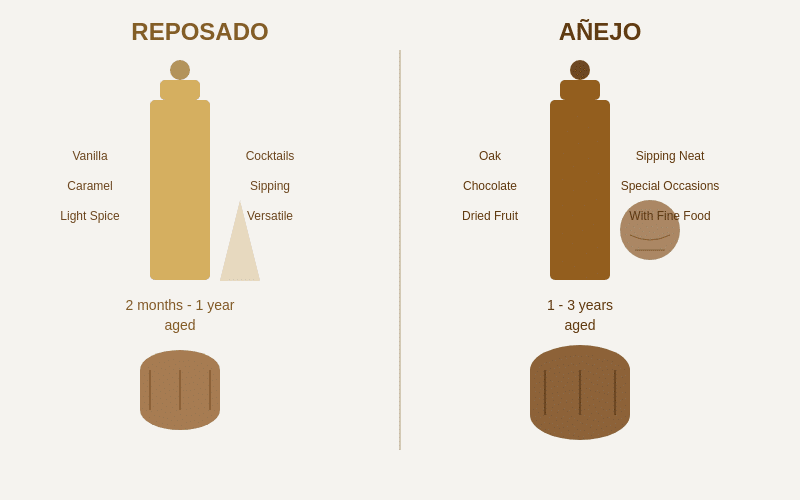
When it comes to tequila, choosing between reposado and añejo can be tough. Both offer unique flavors and characteristics, but they differ mainly in aging periods and taste profiles. Reposado is aged for two months to a year in oak barrels, giving it a smoother, lighter flavor, while añejo is aged for one to three years, resulting in a richer, more complex taste.
I find that exploring these two types can enhance my appreciation for tequila. Whether I’m sipping a reposado on the rocks or enjoying an añejo in a cocktail, each brings its own vibe to the table. Understanding the distinctions can really elevate your tequila experience.
If you’re curious about what makes each type special and how they can fit into your next gathering or night in, keep reading. The world of tequila has a lot to offer, and you might discover a new favorite along the way!
Understanding Tequila
Tequila is more than just a drink; it’s a cultural icon with rich traditions. I find it fascinating how its production process and classifications can deeply influence its flavor and character. Let’s explore the basics of tequila and its key categories.
Tequila 101
Tequila is a spirit made from the blue agave plant, primarily in the region surrounding the city of Tequila in Mexico. It’s classified as a mezcal but has its own distinct regulations. For a spirit to be officially labeled as tequila, it must contain at least 51% blue agave, though most premium brands contain 100%.
The production begins with harvesting the agave, where the piñas (hearts) are cooked, crushed, and then fermented. After fermentation, distillation occurs, typically twice. The result is a clear spirit called blanco. This base spirit lays the foundation for aging and flavor development.
Categories and Classifications
Tequila comes in several categories based on aging:
- Blanco (Silver): Unaged or aged less than two months. It has a pure agave flavor and is best for cocktails.
- Reposado: Aged for at least two months but less than a year. It gains complexity from the oak barrels.
- Añejo: Aged for one to three years, offering deeper and richer flavors due to longer barrel time.
- Extra Añejo: Aged for over three years, it’s known for its intense flavors and smoothness.
Understanding these categories helps appreciate the differences and find the tequila that suits my taste best. Each type brings its unique notes and character.
The Art of Aging Tequila
Aging tequila is a fascinating process that deeply influences its flavor and character. It’s all about the time spent in barrels and how that transforms the spirit.
Aging Process
When I think about aging tequila, it’s crucial to consider the duration. In general, reposado tequilas are aged for two months to a year, while añejo tequilas mature for one to three years.
This aging allows tequila to absorb various compounds from the barrel. The longer it ages, the richer the flavors become.
Temperature and humidity play essential roles, too. These factors influence how the tequila interacts with the wood, leading to different flavor profiles, such as notes of vanilla, caramel, and spice.
Barrels and Maturation
The type of barrel is key in the aging process. Reposado and añejo tequilas are typically aged in American or French oak barrels.
These barrels may have previously held bourbon, wine, or other spirits, adding unique complexities.
The char level of the barrel also matters. A heavier char can introduce deeper flavors, while a lighter char may keep it more subtle.
It’s interesting how each barrel can impart different qualities. Tasting aged tequila truly highlights the artistry in selecting the right barrels for maturation.
Reposado Tequila
Reposado tequila is a fantastic choice for those who enjoy a smooth yet complex flavor profile. It’s aged longer than blanco but shorter than añejo, resulting in a distinctive taste that balances the raw agave and oak influences.
Profile of Reposado
Reposado tequilas usually have a golden hue, often due to their contact with oak barrels. The aging period ranges from two months to one year.
This gives reposado a well-rounded profile. I often notice flavors like vanilla, caramel, and even a hint of spice, alongside the natural earthiness of agave.
The balance between the wood and agave notes makes this tequila versatile, whether enjoyed neat or in cocktails. For those who prefer a drink with depth, reposado is a top contender.
Production and Aging
The production process for reposado begins with high-quality blue agave. After the agave is harvested and cooked, it is fermented and distilled, just like other tequilas.
The key differentiator is the aging. Reposado must rest in oak barrels for a minimum of two months. This aging can occur in various types of barrels, including American or French oak, which infuse different characteristics into the spirit.
During this time, the tequila absorbs flavors from the wood, enhancing its depth. I appreciate how the aging process softens the spirit, making it smoother and more enjoyable to sip, without losing its agave essence.
Añejo Tequila
Añejo tequila offers a unique and mature experience, distinct from other types like reposado. It’s all about the aging process and flavor profile that develops over time.
Characteristics of Añejo
Añejo tequila is known for its rich, complex flavors. Typically, it features notes of caramel, vanilla, and oak, thanks to its aging process. The longer aging leads to a smoother finish, making it enjoyable either neat or in cocktails.
Añejo is usually darker in color than reposado, ranging from amber to deep mahogany. This color reflects the aging in white oak barrels, which infuses the spirit with various compounds over time. It tends to have a higher alcohol content than younger tequilas, adding to its richness.
Añejo Aging Requirements
To be classified as añejo, tequila must be aged for a minimum of one year but less than three years. The aging process takes place in barrels with a maximum capacity of 600 liters, promoting a specific flavor extraction.
The type of barrel used can influence the flavor significantly. Many producers use ex-bourbon barrels or charred barrels, contributing to the unique taste profile. This aging requirement allows añejo tequila to develop deep flavors that make it distinct from both blanco and reposado types.
Comparing Reposado and Añejo
When it comes to reposado and añejo tequilas, there are key distinctions in taste and the best ways to enjoy each one. I find that these differences play a significant role in personal preferences.
Taste Comparison
Reposado tequila is aged for a minimum of two months and can go up to a year in oak barrels. This aging gives it a lighter, smoother profile. The flavors I often notice include hints of vanilla, caramel, and subtle spices, making it versatile for sipping or mixing.
Añejo tequila, on the other hand, is aged for at least one year and up to three years. The longer aging process deepens the flavors significantly. With añejo, I usually detect rich notes of chocolate, oak, and dried fruit. This complexity makes it more suitable for sipping straight.
Best Ways to Enjoy
I like to enjoy reposado in cocktails like margaritas or palomas. Its milder profile complements the other ingredients, creating a balanced drink. When I have a glass of reposado, I often pair it with spicy foods.
For añejo, I prefer sipping it neat, allowing the flavors to shine. Sometimes, I’ll even add a few drops of water to open it up. Añejo pairs wonderfully with dark chocolate or a rich dessert, enhancing the experience. Each type offers a unique journey for my palate, making them both enjoyable in their own right.
Choosing Your Tequila
Selecting the right tequila involves considering personal preferences and how the drink pairs with food. Here’s how I approach my choices.
Selecting According to Preferences
When it comes to tequila, my flavor preferences are key. Reposado offers a balance with its smoothness and hints of oak, thanks to aging in barrels for at least two months. This makes it versatile for sipping or mixing.
Añejo, aged for at least one year, provides richer flavors with notes of vanilla and caramel. I might reach for an Añejo when I want an intense sipping experience.
I often think about the occasion. For casual gatherings, I opt for Reposado in cocktails. For more refined moments, Añejo can be savored neat. Consider what suits your palate and the venue.
Pairing with Food
Tequila can enhance a meal when chosen wisely. I find that Reposado pairs well with lighter dishes like grilled shrimp or tacos al pastor. Its flavor complements without overpowering.
On the other hand, Añejo works beautifully with richer foods. Think about enjoying it alongside dark chocolate or even a charcuterie board. The complex notes of Añejo elevate these flavors, creating a memorable tasting experience.
I like to experiment, but I usually stick to these pairs for a successful match. Remember, the right tequila can turn dinner into a delightful occasion.
Conclusion
The journey through reposado and añejo tequilas reveals that there’s no definitive “better” option—just different experiences waiting to be explored. The choice ultimately depends on your personal preferences, the occasion, and how you plan to enjoy your spirit.
Reposado strikes an excellent balance for those new to premium tequilas. Its shorter aging period of two months to one year preserves the bright agave character while introducing gentle oak influences. The result is a versatile spirit that works beautifully in craft cocktails but is smooth enough to sip. With its notes of vanilla, caramel, and subtle spice, reposado pairs wonderfully with everything from tacos al pastor to grilled seafood.
Añejo, with its one to three years in oak barrels, delivers a more transformed experience. The extended aging develops rich complexity—notes of chocolate, dried fruit, and deeper caramel—creating a sophisticated sipping tequila that rivals fine whiskeys or cognacs. Its depth makes it ideal for special occasions, particularly when served neat to appreciate its nuanced character. Try pairing añejo with dark chocolate, aged cheeses, or even a fine cigar for a truly memorable experience.
Both styles honor the blue agave’s heritage while showcasing different aspects of tequila’s potential. Price differences reflect not only the time invested in aging but also the evaporation that occurs during that process—the “angel’s share” that reduces yield while concentrating flavor.
The best approach? Keep both styles in your collection. Reach for reposado when mixing premium margaritas or enjoying casual gatherings. Save añejo for those moments when you want to slow down and savor every sip. Better yet, try a side-by-side tasting to appreciate how time transforms this remarkable spirit from the highlands and lowlands of Jalisco, Mexico. In the end, the journey through tequila’s aging spectrum is as rewarding as the destination.




I loved this post! Your way of writing is very engaging and the ideas are spot on. Thank you for sharing such a great post with us.
You’re welcome. I appreciate your feedback.