
The Complete Guide to Mexico’s Tequila Regions

Did you know that authentic tequila can only come from specific regions in Mexico, similar to how champagne…

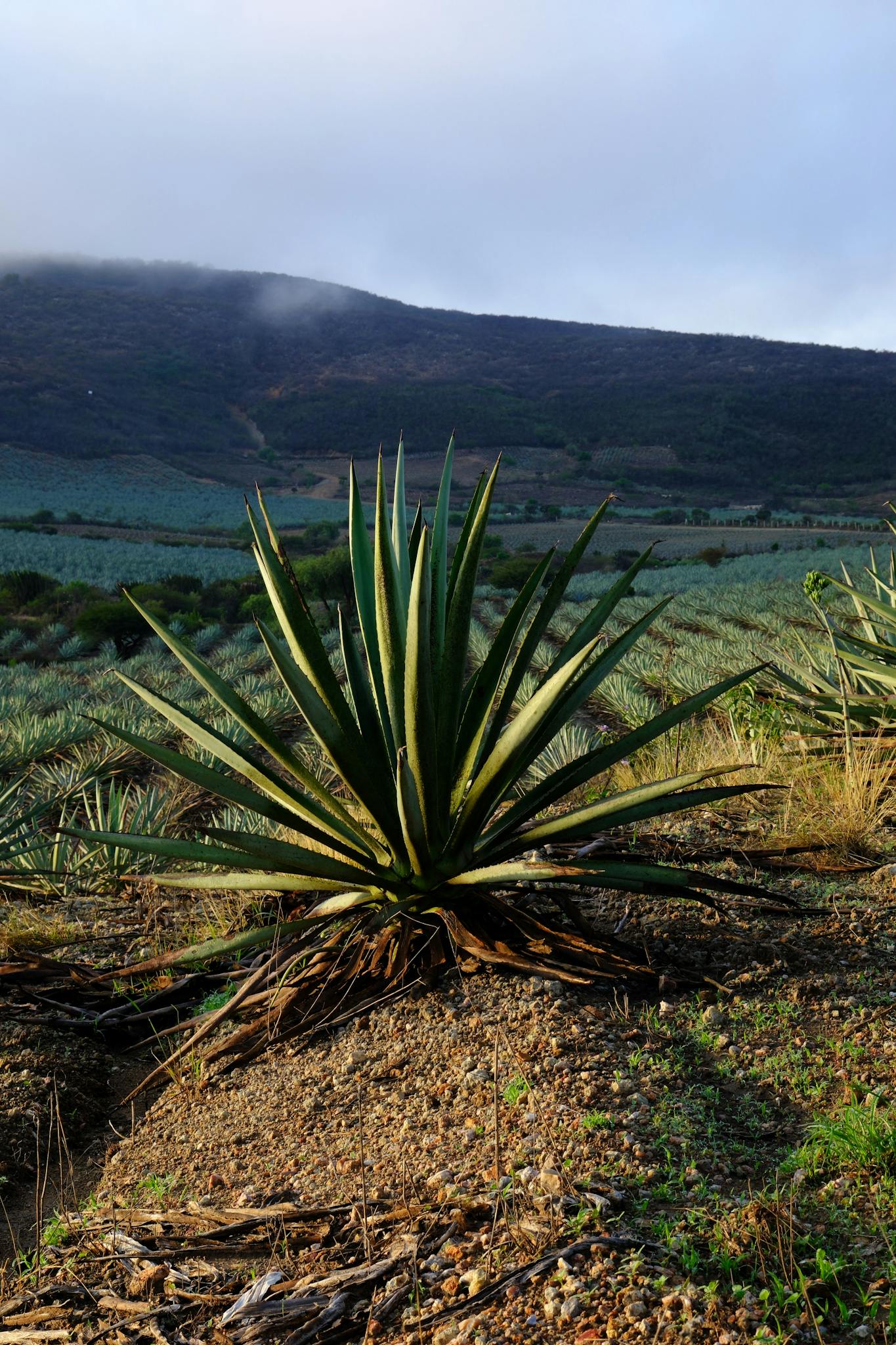
El Campo de Magueyes

Did you know that authentic tequila can only come from specific regions in Mexico, similar to how champagne must be produced in Champagne, France? I’ve been fascinated by how the character of tequila transforms depending on where it’s grown! Today, the world of tequila is more exciting than ever, with production expanding beyond traditional boundaries while still honoring centuries-old traditions. The unique volcanic soil tequila influence, varying altitudes, and regional climates across certified tequila regions create distinctive flavor profiles that tell the story of the land. Whether you’re a casual sipper or a dedicated aficionado, understanding these regional differences will revolutionize your appreciation of this Tequila Denomination of Origin spirit!

Mexico Tequila Regions

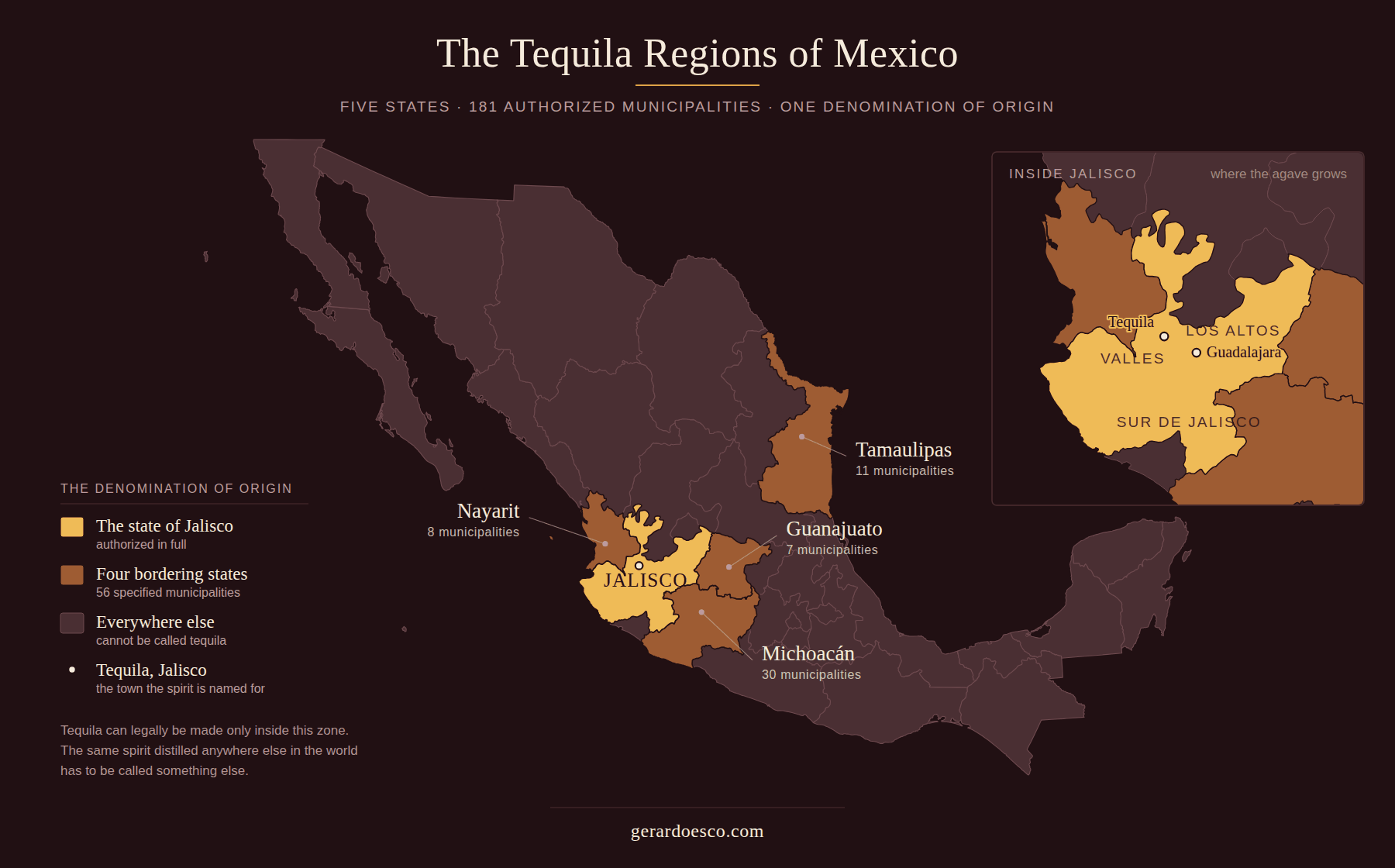
  • Jalisco dominates tequila production, with about 90% of all authentic tequila coming from this region, governed by strict Tequila Denomination of Origin regulations.
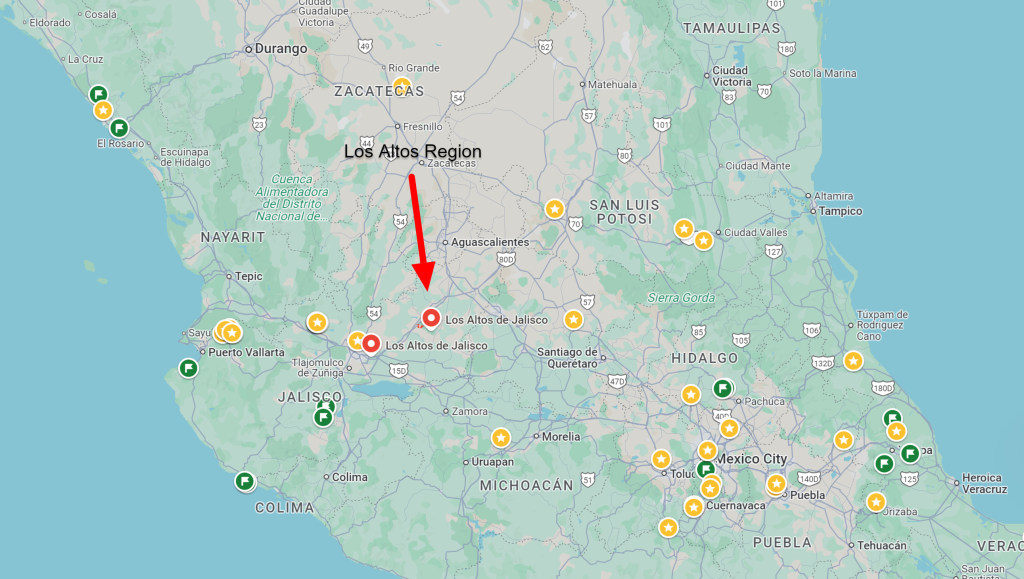
  • Los Altos tequila (Highlands) has a sweeter, fruitier profile due to high elevation, cooler temperatures, and highlands agave sugar content, producing floral and citrus-forward tequilas.
  • El Valle de Tequila (Lowlands) produces earthier, bolder tequilas, influenced by volcanic soil tequila influence, mineral-rich land, and a warmer microclimate affecting agave maturation rates.
  • Beyond Jalisco, tequila is produced in Michoacán, Nayarit, Guanajuato, and Tamaulipas, each with distinct agave terroir expression and growing conditions.
  • Nayarit tequila characteristics include a coastal influence, giving tequilas a slightly saline quality, bright citrus notes, and a unique terroir-driven flavor profile.
  • Regional tequila tasting notes vary, with highlands vs lowlands tequila comparisons showcasing floral and fruity vs. earthy and peppery profiles, influenced by soil, altitude, and climate.
  • Aging affects regional expressions, with reposado tequila regional aging effects and añejo regional characteristics shaped by humidity, temperature, and barrel aging techniques.

The Heartland: Jalisco’s Tequila Region

I’ll never forget the first time I visited Jalisco’s tequila country. The landscape alone – with those endless blue agave fields stretching toward the horizon made me realize I was standing in something like the Bordeaux of tequila.

Jalisco isn’t just another tequila-producing region; it’s THE REGION. About 90% of all tequila made in Mexico comes from here, which blew my mind when our tour guide casually mentioned it. I remember asking him twice to make sure I heard right. The numbers don’t lie though – this place is the heartbeat of tequila production worldwide.

Jalisco Tequila Region

What really fascinated me was learning about the Denomination of Origin requirements. It’s kinda like how real champagne can only come from the Champagne region in France.

The Denomination of Origin rules are pretty strict. I used to think any agave spirit could be called tequila, but I was wrong. Our guide explained that true tequila can only be produced in Jalisco and limited parts of four other Mexican states. And it absolutely MUST be made from blue agave – specifically Blue Weber Agave also known as Agave Teqilana Weber. No exceptions.

The history here dates back to the 1500s, which is pretty incredible. I remember standing in one of the oldest distilleries thinking about how they’ve been using the same process for centuries. The Spanish arrived, saw the natives fermenting agave, and then introduced distillation. Thats how Tequila was born.

I still have this slightly faded map from my trip showing the main production areas within Jalisco. The region around the town of Tequila itself is probably the most famous, but the Los Altos (Highlands) area produces some amazing Tequila as well. The difference in flavor between lowland and highland tequilas was something I hadn’t appreciated before actually tasting them side by side.

The soil makes such a huge difference! In the highlands, it’s more mineral-rich and the nights get cooler, which makes the agave grow slower and sweeter. I could actually taste the difference, the highland tequilas were fruitier and more floral, while the lowland ones had this earthy, herbaceous quality.

If you’re planning a visit, the town of Tequila is a must, along with some of the highland distilleries around Arandas. Don’t make my mistake of trying to cram everything into two days, this is not enough time. Give yourself at least 4-5 days to explore the region properly.

Trust me when I say that understanding where tequila comes from makes you appreciate what’s in your glass so much more. I haven’t looked at tequila the same way since walking those agave fields in Jalisco. It’s not just a spirit, it’s centuries of tradition, strict regulations, and a whole lot of Mexican pride bottled up for us to enjoy.

Los Altos (The Highlands) of Jalisco

My first trek through Los Altos completely changed how I think about tequila terroir. I remember standing at this stunning viewpoint, over 6,000 feet above sea level, watching the morning fog roll across these vast agave fields. The elevation hit me hard that first day – I was winded just walking up a small hill to get a better view of the landscape!

Los Altos Tequila Region Jalisco

Let me just say…I love Los Altos de Jalisco. The soil in Los Altos is something else entirely. It’s this striking reddish-orange color that stains everything it touches. This vibrant hue comes from the high iron content, which and contributes to the distinct flavor profile of highland tequilas. As I scooped up a handful I noticed a fine, clay-like texture; which is completely different from the volcanic soils I’d seen in the lowlands.

The microclimate up here is fascinating. While I visited during the summer, the evenings got surprisingly chilly. These temperature swings of warm days and cool nights are crucial for the agave plants. They have to work harder in this environment, which means they grow slower and produce more sugars as a defense mechanism.

During my visit, I toured several distilleries in the area, including El Tesoro and Tapatio (both made at La Alteña distillery). They still crush some of their agave with a traditional tahona stone, where they then mix the juice and agave fibers in barrels. The result, is a taste that is just remarkable.

The sugar content in highland agave is noticeably higher too. When I tasted raw agave nectar straight from a freshly cut piña, and it was surprisingly sweet, almost like honey but with this vegetal quality that’s hard to describe. That extra sweetness translates directly into the finished tequila, giving Los Altos spirits their characteristic gentle, fruity profile.

If you ever make it to Jalisco’s highlands, make sure to visit the town of Arandas. It’s the unofficial capital of Los Altos tequila production. I spent two days there and wish I’d planned for more. The people were incredibly welcoming, and the food paired amazingly with the local spirits.

El Valle (The Valley) of Jalisco

I still remember the first morning I woke up in El Valle. The sun was already blazing by 8 AM, and I could feel that distinctive warmth that defines the valley region. At around 4,000 feet elevation, El Valle sits noticeably lower than Los Altos, so the temperature difference is definitely noticable. Make sure you bring some sun screen if you ever make it out there.

The soil there is something special – dark, volcanic, and almost black in some areas. During my tour of an agave field, I grabbed a handful of dirt. It was mineral-rich and gritty, with these tiny bits of volcanic rock mixed in. The tour guide explained that this soil composition, formed by ancient volcanic activity, which creates a totally different growing environment than the iron-rich red soils of the highlands.

This valley region has a much warmer climate overall. Even in the evenings, it stays pretty warm compared to the highlands. I was told that this consistent warmth means the agave plants don’t need to produce as much sugar for protection against cold nights. It makes sense, but I never would’ve made that connection myself.

My first proper tasting of valley tequilas was an eye-opener. I’d already fallen in love with the floral highland styles, so these valley expressions caught me off guard. They had this unmistakable earthiness – almost like wet soil after rain – along with spicy pepper notes and herbaceous qualities that reminded me a bit of bell peppers. The master distiller described it as the “true expression of agave’s vegetal character,”.

Some of the most iconic distilleries call El Valle home. I toured Herradura’s historic Hacienda San José del Refugio in Amatitán, which was like walking through a tequila time capsule. Their production facility is massive compared to some of the smaller highland operations I’d seen. Then there’s Jose Cuervo’s La Rojeña distillery in the actual town of Tequila – the oldest operating distillery in Latin America. Despite being such a huge commercial producer, their premium lines showed me why they’ve stood the test of time.
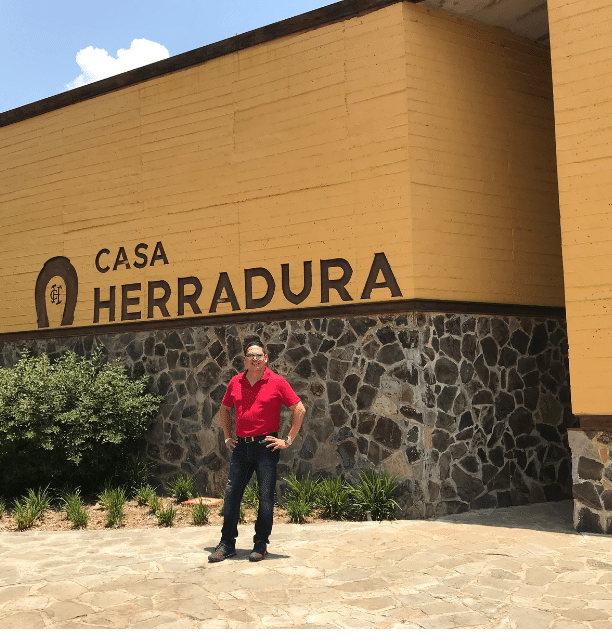
Hacienda Herradura

I hadn’t realized how much the warmer valley climate accelerates agave maturation, with jimadores noting 5-7 year cycles compared to the highlands’ 8+ years. Valley agave also tends to be smaller and less sweet, a terroir difference one old-timer beautifully described as “the agave doesn’t have to work as hard down here, so it doesn’t build as much character.”

El Tesoro’s master distiller shared an interesting perspective when I asked about the valley versus highland debate. He said, “Neither is better – they’re just different expressions of the same beautiful plant.” I’ve carried that wisdom with me ever since. The valley’s tequilas might have these bold, earthy, sometimes peppery profiles, but they’re every bit as complex and worthy of appreciation as their highland counterparts.

If you’re planning a visit, definitely check out the actual town of Tequila. It’s touristy for sure, but there’s something magical about standing in the place that gave the spirit its name. Just remember to pack light clothes and plenty of water. That valley heat, compounded by daytime tequila sampling, can be brutal. I learned that the hard way.

Beyond Jalisco: Other Tequila Regions

Tequila is made in other regions outside of Jalisco. Let’s get something straight though – Jalisco is still the undisputed king of tequila production. We’re talking about roughly 90% of all tequila coming from this one state alone. The remaining 10% is split between Michoacán, Guanajuato, Nayarit, and Tamaulipas. It’s kinda like how most bourbon comes from Kentucky, even though it can technically be made elsewhere in the US.

Michoacan’s Tequila production is interesting. Despite accounting for only about 4% of Mexico’s total tequila production, they’re doing some incredible things there. I visited a distillery that was blending traditional tequila methods with techniques borrowed from the state’s mezcal producers. The result was this wonderfully unique spirit that had the smoothness of tequila but with these subtle smoky notes that kept me coming back for “just one more taste.”

Guanajuato’s tequila scene is tiny but mighty. I’ve read that some producers are experimenting with growing blue agave at even higher elevations than those found in Jalisco’s highlands. They may struggle with longer maturation times, with some plants taking up to 12 years to reach maturity! But the resulting tequila had this incredible concentration of flavor that was worth the wait. Their production volume is miniscule, maybe 1-2% of the national total, but the quality is off the charts.

The coastal state of Nayarit offers something completely different. Their proximity to the Pacific brings this subtle saline quality to the agave. I swear I could taste a hint of sea breeze in their blancos! A producer there told me that the combination of coastal humidity and their unique soil composition creates tequilas that are distinctively minerally with these bright, almost citrusy top notes. They’ve been steadily increasing production, now accounting for around 3% of Mexico’s tequila.

Tamaulipas is probably the least known of the five, sitting way up in the northeast near the US border. Their climate is more extreme than Jalisco’s, with hotter summers and colder winters. This stress on the agave apparently translates to these intensely robust tequilas with pronounced peppery finishes.

What’s fascinating about these emerging regions is how each brings its own twist to tequila. The differences might be subtle if you’re just doing shots (please don’t!), but when you sip thoughtfully, you can taste how the local environment influences the final product.

The expansion has also brought economic benefits to these regions. In Guanajuato, an area previously known for mining is now seeing agave fields spread across its hillsides. Local farmers who were struggling to make ends meet have found new opportunities in agave cultivation. This is obviously a good thing not only for the locals in these regions, but for tequila in general.

Nayarit: The Rising Star

Nayarit sits along Mexico’s Pacific coast, northwest of Jalisco. The tequila-producing regions here benefit from this unique microclimate where coastal humidity meets highland elevation. I remember standing in an agave field about 15 miles from the ocean, feeling the morning sea breeze while looking at blue agave plants stretching toward the horizon. Our guide mentioned that this proximity to the Pacific creates daily temperature fluctuations that stress the agave in different ways than inland regions.

Nayarit Tequila Region

The soil composition here surprised me. It’s this fascinating mix of volcanic matter and sandy, coastal sediment. This soil is lighter in color than Jalisco’s red soil but with these visible flecks of black volcanic material. It drains differently, holding less water, which forces the agave to develop stronger, deeper root systems. This struggle makes the plants produce these unique flavor compounds you don’t find elsewhere.

My first tasting of Nayarit tequila was a revelation. I detected this subtle briny quality – not salty exactly, but with a mineral complexity that reminded me of sea air. Beyond that, Nayarit tequilas often have these bright citrus notes and a distinctive herbal quality that’s less earthy than valley tequilas but not as floral as highland expressions. It’s like they’ve found this perfect middle ground that’s entirely their own.

The growth statistics for Nayarit tequila production are pretty impressive. Back in 2020, the region accounted for just 1.5% of Mexico’s total tequila output. By 2025, that number has jumped to around 5.8% according to the latest industry reports I’ve seen. One producer mentioned they’ve had to triple their agave plantings in the last three years just to keep up with demand. Their biggest challenge now isn’t selling their tequila, but rather ensuring they’ll have enough mature agave in the pipeline for future production.

If you’re planning to explore Mexican tequila regions beyond the standard tourist route, put Nayarit at the top of your list. The combination of innovative producers, unique growing conditions, and distinctive flavor profiles makes it the most exciting up-and-coming region in the tequila world right now. Just be sure to book your accommodations in advance, that word is getting out, and the secret of Nayarit tequila isn’t staying secret for much longer!

Michoacán’s Tequila Territory

Michoacán’s historical link to agave spirits is profound. Agave cultivation in the region predates modern distinctions between tequila and mezcal by centuries. Indigenous communities fermented agave long before the introduction of European distillation methods. This continuity is evident in families continuing traditions that pre-date the colonial era.

Michoacan Tequila Region

Understanding the nuances between tequila from Michoacán and other agave spirits requires patience. One common misconception is that Michoacán tequila is smoked like mezcal. However, while mezcal production in the region involves pit-roasting agave, which imparts a smoky flavor, tequila production adheres to strict Denomination of Origin regulations. This means the blue agave is cooked in ovens or autoclaves, avoiding any smoke influence. Interestingly, many Michoacán producers are adept at crafting both spirits, skillfully adapting their techniques according to the specific agave variety they utilize.

The flavor profile of Michoacán tequilas often features this interesting balance between sweetness and spice. One producer described it as “the sweetness of Jalisco highlands with the spice of the valley, but with our own twist.” I’m not expert enough to define exactly what makes the “Michoacán profile” distinct, but blind tastings I’ve done since have proven I can often pick them out from a lineup. There’s just something about their particular combination of fruit and pepper notes that stands apart.

Production in Michoacán was initially underestimated, but it actually contributes approximately 4% of Mexico’s total tequila production. This percentage has been consistently increasing. One distillery manager indicated ongoing expansion, with plans to double capacity within the next three years due to rising demand. The primary obstacle is securing a sufficient supply of mature agave to sustain this anticipated growth.

The future potential for Michoacán tequila looks incredibly bright. Unlike Jalisco, where land suitable for agave cultivation is increasingly expensive and scarce, Michoacán still has considerable room for expansion. Several producers I spoke with mentioned plans to increase their plantings. One fascinating trend is the growing number of Jalisco-based companies quietly purchasing land in Michoacán as a hedge against agave shortages. The region’s proximity to major tequila markets is another advantage.

What excited me most was seeing how Michoacán producers are embracing their unique regional identity rather than trying to simply mimic Jalisco styles. There’s this wonderful pride in creating something distinctive. As one producer put it: “We respect Jalisco as tequila’s birthplace, but we’re writing our own chapter in the story.” If you get a chance to explore beyond the typical tequila tourist trail, don’t make my mistake of overlooking Michoacán. The region’s combination of deep historical roots and forward-thinking producers makes it one of the most interesting areas in the entire tequila landscape.

Guanajuato and Tamaulipas: The Frontier Regions

Guanajuato sits just north of Jalisco, sharing some geographical similarities but with its own distinct character. The tequila-producing regions here sit at elevations around 5,500-6,500 feet – even higher than Jalisco’s highlands in some areas. The nights were surprisingly chilly. The temperature swing from day to night can be dramatic, sometimes dropping 30+ degrees. Locals claim this extreme daily variation can stress the agave, leading to more complex sugars. The veracity of that claim is uncertain, but the tequila produced is exceptional.

Guanajuato Tequila Region

Tamaulipas, on the other hand, feels like tequila’s final frontier. Located in northeastern Mexico along the Gulf Coast, it’s geographically isolated from the other tequila regions. I made the trek there last year, and it felt like discovering a whole different world of tequila. The climate is much more extreme – brutally hot summers and surprisingly cold winters. The soil is this fascinating limestone-rich composition that several producers claimed gives their agave a distinctive minerality. Standing in those fields looking at the distant mountains, I could actually see why this region was included in the Denomination of Origin despite being so far from tequila’s heartland.

Tamaulipas Tequila Region

The agave cultivation practices in these frontier regions often reflect unique adaptations to local conditions. In Tamaulipas, I was surprised to see wider spacing between plants than is typical in Jalisco. I learned that their more extreme climate means each plant needs additional soil to draw moisture from during drought periods. They’ve also developed special irrigation systems to deal with the less predictable rainfall patterns.

During my visit to Corralejo distillery in Guanajuato, I was surprised to learn that they’ve been producing tequila since 1755. The brand’s history in the region predates many Jalisco producers. Their distinctive blue bottles are increasingly common in the US market now.

Corralejo Tequila

What these regions lack in production volume, they make up for in passion and creativity. During my visit to a small family-run operation in Guanajuato, the owner told me something I’ll never forget: “Being small means every bottle matters more to us. We can’t hide inconsistencies in huge volumes.” That philosophy was evident in the meticulous attention to detail I observed throughout their process, from hand-selecting agave to bottling.

The biggest challenge these regions face isn’t quality, it’s visibility. Most casual tequila drinkers still don’t realize these states produce tequila at all. The good news is that awareness is slowly growing. Several high-end bars I’ve visited now specifically showcase tequilas from these frontier regions as a point of distinction.

If you’re a serious tequila enthusiast, do yourself a favor and seek out bottles from Guanajuato and Tamaulipas such as Tequila Corralejo and Chinaco Tequila. They can be harder to find than mainstream Jalisco brands, but the extra effort is worth it. These frontier regions aren’t just following tequila traditions, they’re actively expanding our understanding of what tequila can be.

Conclusion

The diverse tequila regions of Mexico offer a fascinating window into how geography, climate, and tradition shape one of the world’s most beloved spirits. From the highlands of Jalisco to the emerging frontiers of Tamaulipas, each region imparts its unique character to the agave and the resulting tequila. In 2025, as production continues to evolve while honoring traditional methods, there’s never been a better time to explore the regional expressions of tequila. I encourage you to embark on your own tasting journey through Mexico’s tequila landscape – compare a highland blanco with a valley reposado and discover your personal preference! Whether you plan to visit these regions in person or explore them through your glass, understanding the regional differences will forever enhance your tequila experience.

Learn More About Tequila

Similar Posts

Leave a Reply

Your email address will not be published. Required fields are marked *